Leh Palace, also known as Lachen Palkar, is one of the most important historic monuments in Leh, Ladakh. Standing above Leh town, this nine-storey former royal palace reflects the architectural, cultural and political history of the Namgyal dynasty. The palace was built in the 17th century during the reign of King Sengge Namgyal, popularly known as the Lion King. Its massive walls, wooden balconies, traditional construction materials and Tibetan-style design make it a distinctive example of medieval Ladakhi architecture. Today, visitors come to Leh Palace to explore its historic rooms, murals and artefacts and to enjoy wide views of Leh town and the surrounding Himalayan landscape.
Quick Information
| Particular | Details |
| Name | Leh Palace |
| Local Name | Lachen Palkar |
| Location | Leh, Ladakh |
| Property Type | Former Royal Palace and Heritage Monument |
| Historical Association | Namgyal Dynasty of Ladakh |
| Built | 17th century |
| Associated Ruler | King Sengge Namgyal |
| Floors | Nine storeys |
| Architecture | Medieval Tibetan/Ladakhi architecture |
| Present Status | Historic monument |
| Management | Archaeological Survey of India |
| Timings | Published timings vary; commonly around 7:00 AM to 4:00 PM |
| Entry Fee | Published rates vary; visitors should confirm the current ASI fee at the monument |
Where Is Leh Palace Located?
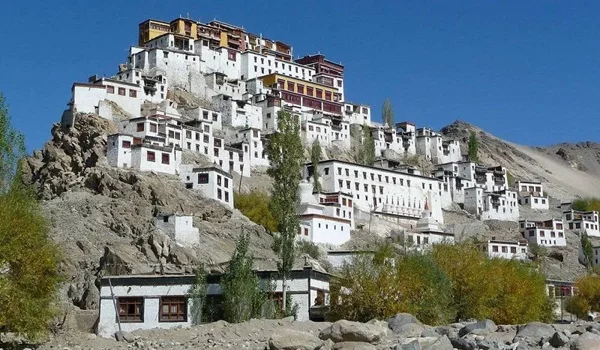
Leh Palace is located on Namgyal Hill above the Old Town of Leh in Ladakh. Its elevated position gives it a commanding view of the town and the surrounding mountains.
The palace is close to Leh’s traditional market and several important cultural and religious attractions. Because of its position above the old settlement, it can be reached through the historic part of Leh and by roads leading towards the palace.
The location is particularly attractive for travellers interested in history, architecture and photography because the palace provides a different perspective of Leh compared with attractions located at ground level.
History of Leh Palace
Leh Palace was built during the period of the Namgyal dynasty, which played an important role in the history of Ladakh.
King Sengge Namgyal is closely associated with the construction of the palace in the 17th century. He was one of the most prominent rulers of Ladakh and was responsible for several important buildings and religious structures in the region.
The palace served as a royal residence and an important administrative and ceremonial centre. Its nine-storey design was remarkable for its time.
The upper levels were used by the royal family, while lower sections served practical functions such as storage and stables.
During the 19th century, Ladakh came under increasing pressure from Dogra forces. The royal family eventually left Leh Palace and moved to Stok Palace. The former royal residence subsequently suffered from neglect and deterioration.
Despite these changes, the structure survived and remains one of the most recognisable symbols of Leh’s royal past.
Why Is Leh Palace Famous?
Leh Palace is famous for several reasons.
First, it is closely associated with the Namgyal dynasty and the history of Ladakh. Second, its nine-storey structure is an impressive example of traditional Himalayan architecture. Third, its elevated position provides broad views of Leh town and the surrounding mountain landscape.
The palace is also known for its historic murals, Buddhist artistic elements and collection of traditional objects.
Its resemblance to the Potala Palace of Lhasa is another reason the building attracts attention. However, Leh Palace has its own architectural identity and reflects the local building traditions of Ladakh.
Architecture of Leh Palace
Leh Palace is an important example of medieval Tibetan and Ladakhi architectural traditions.
The building uses materials and construction methods suited to the high-altitude environment. Mud, stone, wood and other traditional materials were used in its construction.
Some of its major architectural features include:
- Nine-storey structure
- Massive inward-sloping walls
- Wooden balconies
- Traditional timber elements
- Small windows and openings
- Large internal chambers
- Decorative entrances
- Courtyards and passageways
- Traditional Ladakhi construction techniques
The thick walls helped provide insulation from the extreme temperatures of the region.
The palace’s design also demonstrates how traditional Himalayan architecture responded to both climate and terrain.
Interior of Leh Palace
The interior of Leh Palace is very different from a modern luxury palace or restored heritage hotel.
Parts of the building have deteriorated over time, while other sections have been preserved or restored. Visitors can see historic rooms, passageways, religious spaces and remnants of decorative work.
Some areas contain murals and traditional artistic details associated with Ladakh’s Buddhist cultural heritage.
The atmosphere inside the palace is therefore more archaeological and historical than luxurious. Travellers should visit with the expectation of exploring an old monument rather than a fully restored royal residence.
Leh Palace Museum
The palace contains a collection of historical objects and artefacts associated with Ladakh’s royal and cultural heritage.
Visitors may encounter traditional objects such as:
- Royal clothing
- Jewellery
- Crowns and ornaments
- Household utensils
- Religious objects
- Paintings
- Thangka-style artworks
- Historical artefacts
Some sources also describe old paintings and artefacts dating back several centuries.
The museum and exhibition areas add another dimension to the visit because they help explain how the royal household and local society functioned in earlier periods.
Murals and Religious Heritage
Art is an important part of Leh Palace.
Traditional wall paintings and Buddhist artistic elements can be found in parts of the complex. The palace is also connected with religious structures located around its base.
The Chandazik Gompa and Chamba Lhakhang are among the religious and cultural structures associated with the palace area. These sites contain traditional Buddhist artistic elements and murals.
The combination of royal architecture and Buddhist heritage reflects the close relationship between political authority, religion and culture in historic Ladakh.
Rooftop Views from Leh Palace
One of the highlights of visiting Leh Palace is reaching the upper levels and viewing the landscape around Leh.
From the palace area, visitors can see:
- Leh town
- Surrounding mountain ranges
- Stok region
- Traditional settlements
- Parts of the wider Ladakh landscape
The elevated viewpoint is particularly attractive during clear weather.
Morning and late afternoon can provide different lighting conditions for photography. Visitors should remember that Leh is located at a high altitude, so climbing several levels can feel more tiring than expected.
Leh Palace Timings
Published information about Leh Palace timings is not completely consistent.
Some tourism sources currently list the monument as open approximately from 7:00 AM to 4:00 PM, while other sources publish longer operating hours. A Ladakh tourism planning document also lists different timings.
Because timings can change according to season, maintenance, weather and administrative arrangements, visitors should confirm the latest opening hours locally before planning the visit.
The palace is a heritage monument rather than a hotel or commercial entertainment property, so access to individual sections may also vary.
Leh Palace Entry Fee
Leh Palace has ticketed entry, but published fee information varies between sources.
Some commonly published rates mention separate charges for Indian and foreign visitors. However, travellers should not rely on an old online fee because monument charges can change.
It is better to confirm the current ticket price at the entrance or through the latest official information before visiting.
Best Time to Visit Leh Palace
The best period for visiting Leh Palace generally falls within the main Ladakh tourism season, when roads, flights and local tourist facilities are more accessible.
April to September is commonly suitable for sightseeing, with the summer months offering relatively favourable conditions compared with the severe winter season.
For comfortable sightseeing, visitors should also consider the time of day. Morning visits can be useful for photography and exploring the monument before the stronger afternoon sun.
Weather in Ladakh can change quickly, so visitors should carry suitable clothing even during the warmer months.
How to Reach Leh Palace
By Air
Kushok Bakula Rimpochee Airport is the main airport serving Leh. From the airport, visitors can take a taxi towards Leh town and continue to the palace.
By Road
Leh is connected by road with other parts of Ladakh and neighbouring regions. Visitors staying in Leh can use taxis or private vehicles to reach the palace area.
From Leh Market
The palace is located above the historic town, so visitors staying around the Main Bazaar can reach it by road or on foot, depending on their physical condition and acclimatisation.
The final approach includes slopes and stairs, so comfortable footwear is recommended.
Nearby Places to Visit
Namgyal Tsemo Monastery
Located above Leh Palace, Namgyal Tsemo is an important Buddhist religious site and another major attraction in the area.
Leh Main Bazaar
The traditional market area is ideal for exploring local shops, handicrafts, clothing, food and everyday Ladakhi products.
Shanti Stupa
Shanti Stupa is one of Leh’s most recognisable landmarks and offers panoramic views of the town and surrounding mountains.
Sankar Monastery
Sankar Monastery is another Buddhist site located near Leh and is useful for visitors interested in Ladakhi religious traditions.
Hall of Fame
The Hall of Fame is a museum and memorial attraction that presents information related to India’s military history and Ladakh.
Tourism and Economic Importance of Leh Palace
Leh Palace is more than a historical structure. It is an important part of Ladakh’s tourism economy.
Heritage attractions encourage visitors to spend time in Leh, which creates indirect demand for hotels, restaurants, taxis, local guides, handicraft shops and other tourism services.
The palace also contributes to cultural tourism by helping visitors understand Ladakh’s royal history and traditional architecture.
In April 2026, a new sound and light show was inaugurated at Leh Palace as part of efforts to strengthen heritage tourism and provide a modern cultural experience around the monument.
Such initiatives demonstrate how historic properties can support tourism while remaining focused on heritage preservation.
Business and Investment Perspective
Leh Palace itself should be viewed primarily as a heritage monument rather than a commercial investment property.
However, its popularity creates indirect business opportunities around the tourism ecosystem.
These can include:
- Heritage tours
- Local transportation
- Tourist guides
- Hotels and homestays
- Restaurants and cafés
- Handicrafts
- Souvenir businesses
- Cultural experiences
- Photography services
- Travel and tour operations
Businesses operating around heritage destinations should consider seasonal tourism, weather conditions, infrastructure limitations and the environmental sensitivity of Ladakh.
Insurance Considerations
Heritage tourism businesses in the Leh region can face risks related to weather, property damage, public safety, transportation and business interruption.
Depending on the type of business, relevant insurance areas may include property insurance, public liability insurance, business interruption cover, vehicle insurance and employee-related coverage.
These are general business considerations and do not mean that any particular insurance policy is associated with Leh Palace.
Things to Know Before Visiting
- Leh is located at a very high altitude, so proper acclimatisation is important.
- The palace involves walking, slopes and stairs.
- Comfortable footwear is recommended.
- Some interior sections are old and uneven.
- Timings and entry charges should be confirmed before visiting.
- Photography rules may vary inside specific areas.
- Weather can change quickly in Ladakh.
- Carry water and avoid excessive physical exertion during the first part of your stay in Leh.
- Visitors should respect the monument and its religious spaces.
- Winter access and operating conditions can differ significantly from the main tourist season.
FAQs
What is Leh Palace famous for?
Leh Palace is famous for its nine-storey historic structure, Namgyal dynasty connection, traditional Ladakhi-Tibetan architecture, historic murals and panoramic views of Leh.
Who built Leh Palace?
Leh Palace is associated with King Sengge Namgyal of the Namgyal dynasty and was built during the 17th century.
How many floors does Leh Palace have?
Leh Palace is a nine-storey historic structure.
Is Leh Palace still a royal residence?
No. Leh Palace is a former royal residence. The Namgyal royal family left the palace in the 19th century and later moved to Stok Palace.
What can visitors see inside Leh Palace?
Visitors can explore historic rooms, passageways, murals, religious spaces and collections of traditional artefacts associated with Ladakh’s royal and cultural history.
How much time is needed to visit Leh Palace?
Most visitors can explore the main palace and surrounding areas in around one to two hours, although the actual time depends on walking pace, photography and interest in the museum and architectural details.
Final Thoughts
Leh Palace is one of Ladakh’s most important heritage landmarks and an enduring symbol of the region’s royal history. Built during the Namgyal period, the nine-storey palace reflects the architectural traditions, cultural practices and political history of historic Ladakh. Its weathered walls, traditional construction, historic artworks and elevated position make it very different from modern palace hotels or restored royal residences.
For travellers, the palace offers both cultural exploration and impressive views of Leh. For the wider tourism industry, it represents the value of heritage attractions in supporting accommodation, transport, guides, handicrafts and other local businesses. Its continued preservation and responsible tourism use are important for keeping Ladakh’s architectural heritage accessible to future generations.