Jai Vilas Palace is one of the most impressive royal residences in Gwalior, Madhya Pradesh. Built in the nineteenth century for Maharaja Jayajirao Scindia, the palace combines European architectural influences with Indian royal traditions. A large part of the historic property is now open as the Jiwajirao Scindia Museum, while the remaining section continues to be associated with the Scindia royal family. The palace is especially known for its grand Durbar Hall, European-style interiors, historic furniture, chandeliers and extensive royal collections. Today, Jai Vilas Palace is an important heritage and tourism attraction and provides visitors with a closer look at the lifestyle, architecture and cultural legacy of the Scindia dynasty.
Quick Information
| Information | Details |
| Property Name | Jai Vilas Palace |
| Location | Gwalior, Madhya Pradesh |
| Property Type | Historic royal palace and museum |
| Built For | Maharaja Jayajirao Scindia |
| Construction Period | 1870s |
| Architectural Style | European, Italian and Tuscan influences with Indian elements |
| Museum | Jiwajirao Scindia Museum |
| Main Attraction | Durbar Hall |
| Famous Features | Chandeliers, royal furniture, paintings and collections |
| Nearest Airport | Rajmata Vijaya Raje Scindia Airport, Gwalior |
| Nearest Railway Station | Gwalior Junction |
Where Is Jai Vilas Palace Located?
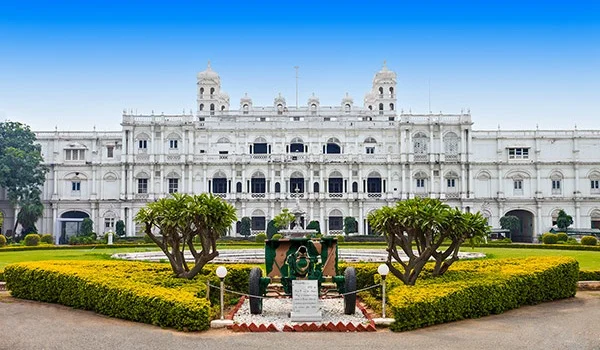
Jai Vilas Palace is located in the Lashkar area of Gwalior, Madhya Pradesh.
Gwalior is an important historic city in central India and is well known for its forts, palaces, temples and musical heritage. Jai Vilas Palace is situated within the urban area of the city, making it relatively convenient to include in a Gwalior sightseeing itinerary.
The palace is also within reach of other major attractions, including Gwalior Fort, Man Singh Palace, Tansen’s Tomb and other historic sites.
History of Jai Vilas Palace
Jai Vilas Palace was commissioned by Maharaja Jayajirao Scindia in the nineteenth century.
Construction began in 1874. The palace was designed as a grand royal residence that could reflect the status of the Scindia rulers while also incorporating contemporary European architectural ideas.
The palace became an important residence of the Scindia family and was used for royal functions, receptions and formal occasions.
One of the most important spaces in the palace is the Durbar Hall. It was designed for large royal gatherings and formal events and became one of the defining interiors of the property.
After India’s independence and the end of princely privileges, the role of the palace changed. A significant portion of the property was eventually opened to the public as a museum.
The museum was established in memory of Jiwajirao Scindia, who was the last ruling Maharaja of Gwalior.
Architecture of Jai Vilas Palace
The architecture of Jai Vilas Palace is one of its biggest attractions.
The palace covers a large area and displays a combination of European architectural traditions and Indian royal design.
Its architectural influences include:
- Italian architectural elements
- Tuscan-style features
- European decorative design
- Indian royal interiors
- Large courtyards
- Ornamental ceilings
- Decorative arches
- Grand staircases
- Elaborately designed halls
The palace’s appearance reflects the nineteenth-century interest among Indian royal families in European architectural styles.
At the same time, the interiors contain many objects and design elements associated with Indian royal life, creating a distinctive combination of Western and Indian influences.
The Grand Durbar Hall
The Durbar Hall is perhaps the most famous part of Jai Vilas Palace.
The hall was designed as a grand ceremonial space for royal gatherings. Its scale, decorative interiors and large chandeliers make it one of the most visually striking rooms in the palace.
The chandeliers are particularly famous. According to the museum’s historical account, the large chandeliers were installed after engineers reportedly tested whether the ceiling could support their weight.
The hall also contains elaborate decorative work, including gilded surfaces and traditional royal furnishings.
For many visitors, the Durbar Hall is the highlight of a visit to Jai Vilas Palace.
Jiwajirao Scindia Museum
A significant portion of Jai Vilas Palace now houses the Jiwajirao Scindia Museum.
The museum presents objects connected with the Scindia family’s history and royal lifestyle. Its collections cover a wide range of categories, providing visitors with an understanding of how the royal household lived.
The museum includes collections such as:
- Royal furniture
- Paintings
- Weapons
- Decorative objects
- Textiles
- Silverware
- Carriages
- Clocks
- Personal belongings
- Historic photographs
- Books and manuscripts
The museum is particularly useful for visitors interested in the social and cultural history of princely India.
Royal Interiors and Collections
The interiors of Jai Vilas Palace contain numerous objects that reflect the lifestyle of the Scindia rulers.
Visitors can see elaborate furniture, decorative pieces, paintings and European-inspired household items.
Some rooms have been preserved in a way that helps visitors understand how different parts of the palace were used.
The collections also demonstrate the close relationship between Indian royalty and European luxury goods during the nineteenth and early twentieth centuries.
The palace therefore provides more than an architectural experience. It also offers insight into changing royal lifestyles during the colonial period.
Famous Silver Train
One of the unusual objects associated with the museum is a miniature silver train.
The train is displayed on a dining table and was designed to carry food and drinks around the table during royal dinners.
It is an example of the elaborate arrangements used for formal entertaining in royal households.
This type of object also shows how technology, craftsmanship and luxury were combined in royal dining traditions.
Jai Vilas Palace and the Scindia Family
Jai Vilas Palace is closely connected with the history of the Scindia dynasty, one of the prominent royal houses of central India.
The Scindias played a major role in the political history of Gwalior and the wider region.
Jai Vilas Palace became one of the family’s most important residences and remains associated with the Scindia family today.
The museum section of the palace allows visitors to explore objects and stories connected with several generations of the royal household.
Jai Vilas Palace as a Tourism Attraction
Jai Vilas Palace is one of the major heritage attractions of Gwalior.
Unlike a fort that mainly focuses on defence and military history, the palace provides a different perspective. It focuses more on royal residence, court life, architecture, furnishings and ceremonial traditions.
A visit can therefore be combined with Gwalior Fort and other historic attractions to create a broader understanding of the city’s past.
The palace is particularly popular with:
- History enthusiasts
- Architecture lovers
- Families
- Students
- Domestic tourists
- International visitors
- Photography enthusiasts
Business and Tourism Importance
Jai Vilas Palace contributes to Gwalior’s tourism economy by attracting visitors to the city.
Its museum operation supports several connected sectors, including:
- Local transportation
- Hotels
- Restaurants
- Tour guides
- Travel agencies
- Photography services
- Local handicrafts
- Souvenir businesses
- Heritage tourism
Visitors who come to the palace often combine it with other attractions in Gwalior, increasing the economic value of heritage tourism for local businesses.
The palace also demonstrates how historic royal properties can continue to contribute to the economy through museum and tourism activities.
Jai Vilas Palace Timings
The museum section of Jai Vilas Palace generally operates during daytime hours, with a weekly closure day.
However, opening hours can change because of holidays, maintenance, special events or administrative decisions.
Visitors should confirm the current museum schedule before planning a dedicated visit.
The palace and museum should also be distinguished from privately used areas that may not be open to the public.
Jai Vilas Palace Entry Fee
Entry to the museum is generally ticketed.
The applicable fee can vary according to visitor category and may differ for photography or other services.
Because ticket prices and visitor policies can change, travellers should verify the current charges before visiting rather than relying on older information found elsewhere.
How to Reach Jai Vilas Palace
By Road
Jai Vilas Palace is located within Gwalior city and can be reached by taxi, auto-rickshaw, private vehicle and local transport.
By Train
Gwalior Junction is the main railway station serving the city. It has strong rail connections with several major Indian cities.
From the station, visitors can take a taxi or local transport to reach the palace.
By Air
Rajmata Vijaya Raje Scindia Airport serves Gwalior. Visitors arriving by air can continue to the palace by road.
Local Transport
Auto-rickshaws, taxis and local cab services are useful for travelling between Jai Vilas Palace and other Gwalior attractions.
Places to Visit Near Jai Vilas Palace
Gwalior Fort
Gwalior Fort is one of the city’s most important historic landmarks. The fort complex contains palaces, temples, gates and other historic structures.
Man Singh Palace
Located within Gwalior Fort, Man Singh Palace is known for its colourful decorative tiles and impressive medieval architecture.
Tansen’s Tomb
Tansen’s Tomb is associated with the legendary Indian classical musician Tansen and is an important cultural attraction in Gwalior.
Sas Bahu Temple
The Sas Bahu temples near Gwalior Fort are known for their detailed stone carvings and historic architecture.
Gopachal Parvat
Gopachal Parvat is famous for its monumental Jain rock-cut sculptures and is an interesting destination for visitors exploring Gwalior’s heritage.
Best Time to Visit Jai Vilas Palace
The period from October to March is generally the most comfortable time to visit Gwalior.
The weather is relatively pleasant during these months, making it easier to explore both the palace and outdoor attractions such as Gwalior Fort.
Summer temperatures can become quite high, particularly during the afternoon. Visitors travelling between April and June may prefer morning or late-afternoon sightseeing.
The monsoon season can bring rainfall, although the palace museum itself remains an indoor attraction.
Things to Know Before Visiting
- Jai Vilas Palace is partly a museum and partly associated with the private royal residence.
- Public access is mainly focused on the museum section.
- The Durbar Hall is one of the most important highlights.
- Photography rules may vary across different museum areas.
- Museum timings can change during holidays and special occasions.
- Entry charges may vary by visitor category.
- Allow sufficient time to explore the museum collections.
- Comfortable footwear is useful because a palace visit may involve considerable walking.
- Combining Jai Vilas Palace with Gwalior Fort can make a more complete heritage itinerary.
- Confirm current timings and ticket charges before travelling.
FAQs
Where is Jai Vilas Palace located?
Jai Vilas Palace is located in Gwalior, Madhya Pradesh, in the Lashkar area of the city.
Who built Jai Vilas Palace?
Jai Vilas Palace was commissioned by Maharaja Jayajirao Scindia in the nineteenth century.
What is Jai Vilas Palace famous for?
The palace is particularly famous for its grand Durbar Hall, large chandeliers, royal interiors, European architectural influences and the collections displayed in the Jiwajirao Scindia Museum.
Can tourists visit Jai Vilas Palace?
Yes. A significant portion of the palace operates as the Jiwajirao Scindia Museum and is open to visitors according to its current schedule.
How long does it take to explore Jai Vilas Palace?
The time required depends on the visitor’s interest in the museum collections. A couple of hours can be useful for seeing the main galleries and important rooms without rushing.
What is the best time to visit Jai Vilas Palace?
October to March is generally a comfortable period for visiting Gwalior because the weather is more suitable for combining indoor palace visits with outdoor sightseeing.
Final Thoughts
Jai Vilas Palace is an important part of Gwalior’s royal heritage and one of Madhya Pradesh’s notable palace attractions. Its grand architecture, European influences, ceremonial interiors and extensive museum collections provide visitors with an interesting view of the lifestyle of the Scindia royal family. The Durbar Hall and its famous chandeliers remain among the palace’s best-known features, while the Jiwajirao Scindia Museum adds historical depth through its collection of furniture, paintings, royal objects and personal belongings.
For tourists, Jai Vilas Palace is best understood as part of a wider Gwalior heritage experience. Combining it with Gwalior Fort and other historic attractions can provide a broader picture of the city’s architectural and cultural development. From a tourism and business perspective, the palace also continues to support Gwalior’s heritage economy by attracting visitors and creating demand for local hospitality, transportation and tourism services.