Golden Palace, popularly known as Soneri Mahal, is one of the historic architectural landmarks of Chhatrapati Sambhaji Nagar in Maharashtra. Located within the campus of Dr Babasaheb Ambedkar Marathwada University, this seventeenth-century palace is known for its distinctive Mughal and Rajput architectural influences and its historic golden artwork. The name “Soneri Mahal,” meaning “Golden Palace,” is associated with the gold-painted decorations that once enhanced its interiors. Today, the restored palace functions as a museum and offers visitors an opportunity to explore an important part of the region’s royal, artistic and architectural heritage.
Quick Information
| Information | Details |
| Name | Soneri Mahal |
| Also Known As | Golden Palace |
| Location | Chhatrapati Sambhaji Nagar, Maharashtra |
| Historic Period | Seventeenth century |
| Construction | Around 1651–1653 |
| Architectural Style | Mughal and Rajput influences |
| Current Use | Museum |
| Location Setting | Dr Babasaheb Ambedkar Marathwada University campus |
| Main Highlight | Historic architecture and gilded artwork |
| Timings | Sunrise-related opening information is also reported; official tourism information lists 9 AM to 5 PM |
Where Is Golden Palace Located?
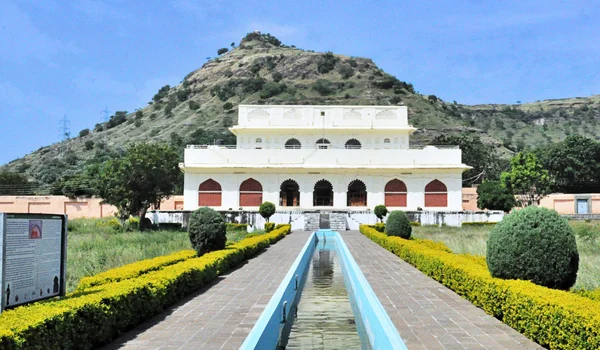
Soneri Mahal is located in Chhatrapati Sambhaji Nagar, formerly known as Aurangabad, within the grounds of Dr Babasaheb Ambedkar Marathwada University.
The palace occupies a green setting with gardens and hills forming part of the surrounding landscape. Its location gives it a different character from many of the city’s better-known Mughal monuments.
For visitors exploring Chhatrapati Sambhaji Nagar, Soneri Mahal can be considered alongside the city’s wider collection of historic monuments, museums and cultural attractions.
History of Soneri Mahal
Soneri Mahal dates back to the seventeenth century. According to tourism sources, it was constructed between 1651 and 1653 under the patronage of Pahad Singh, a Bundelkhand chief who accompanied Aurangzeb to the Deccan.
The building reflects the movement of Rajput nobles and military figures into the Deccan during the Mughal period. Its history therefore forms part of the broader political and cultural developments that shaped the region during the seventeenth century.
The palace’s name is particularly interesting. “Soneri” means golden, and the name is associated with paintings and decorative work created using gold. These artistic features helped establish the palace’s distinctive identity.
Over time, the structure became an important heritage landmark of the city and eventually became part of the university campus.
Why Is It Called the Golden Palace?
The name Golden Palace is not simply a reference to the colour of the building.
The palace became known as Soneri Mahal because of the use of gold in its decorative paintings. Historical descriptions refer to gilded artwork and gold-related decorative elements inside the building.
Some of this artwork has survived, although parts of the original decorative scheme have been affected by age and restoration. The surviving elements still provide an insight into the artistic traditions associated with the palace.
This connection between architecture and decorative art is one of the main reasons Soneri Mahal remains culturally significant.
Architecture of Golden Palace
Soneri Mahal is a two-storey historic structure that combines elements associated with Mughal and Rajput architecture.
Its exterior features a prominent entrance, arches, domed forms and decorative architectural details. Yellow sandstone contributes to the warm appearance of the building, while the overall design reflects the influence of different architectural traditions.
Inside, spacious halls, pillars, decorative walls and historic artwork contribute to the palace’s character.
The combination of Rajput-style planning and Mughal-era architectural influences makes Soneri Mahal particularly interesting for people who want to understand the architectural diversity of the Deccan.
Gardens and Surroundings
The palace is set within landscaped surroundings rather than being surrounded entirely by dense urban development.
Historical descriptions of the site mention a formal garden layout, with the palace forming an important focal point. A central water channel was also associated with the garden design.
The combination of the palace, gardens and surrounding hills gives Soneri Mahal a relatively peaceful atmosphere.
For visitors interested in heritage photography and architecture, the setting provides useful views of the palace from different angles.
Soneri Mahal Museum
Today, Soneri Mahal has been reimagined as a museum.
The museum helps preserve the historical identity of the structure and gives visitors an opportunity to learn more about the region’s cultural past.
Collections and displays associated with the museum include historical photographs, sculptures and other artefacts. These displays complement the architectural experience of walking through the old palace.
The museum function is especially important because it allows the building to remain a living heritage site rather than simply becoming an abandoned historic structure.
Timings of Golden Palace
Official tourism information lists Soneri Mahal’s visiting hours as 9:00 AM to 5:00 PM. Other descriptions of the site have also referred to opening around sunrise and closing around sunset, so visitors should verify the latest local schedule before planning a dedicated visit.
| Visitor Information | Details |
| Opening | Around 9:00 AM according to tourism information |
| Closing | Around 5:00 PM |
| Best Approach | Visit during daylight hours |
| Schedule Note | Timings can change, so latest local information should be checked |
Entry Fee
Entry charges can change depending on local administration and museum arrangements. A current fee should therefore be confirmed before visiting rather than relying on an old figure.
For an accurate travel budget, visitors should consider possible museum charges separately from transportation and other sightseeing expenses.
How to Reach Golden Palace
Soneri Mahal is located in Chhatrapati Sambhaji Nagar and is accessible by road from different parts of the city.
The nearest major railway connection is Chhatrapati Sambhaji Nagar Railway Station, while the city’s airport provides air connectivity for visitors arriving from other regions.
The palace is situated within the university campus, so visitors should allow some time to reach the specific heritage site after entering the broader university area.
Road transport is generally the most practical option for combining Soneri Mahal with other attractions in the city.
Nearby Places to Visit
A visit to Soneri Mahal can be combined with several important attractions in and around Chhatrapati Sambhaji Nagar.
Bibi Ka Maqbara
One of the city’s most famous monuments, Bibi Ka Maqbara is known for its Mughal architecture and its visual comparison with the Taj Mahal.
Ajanta Caves
The Ajanta Caves are among India’s most important ancient Buddhist heritage sites and are known for their rock-cut architecture and paintings.
Ellora Caves
The Ellora complex represents several religious traditions and is particularly famous for the monumental Kailasa Temple carved from rock.
Panchakki
Panchakki is a historic water-management structure associated with the city’s medieval heritage.
Daulatabad Fort
Located outside the main city area, Daulatabad Fort is a major historic fortification known for its strategic location and impressive defensive architecture.
Best Time to Visit Golden Palace
The cooler months are generally more comfortable for exploring heritage attractions in Chhatrapati Sambhaji Nagar.
From approximately late autumn through winter, visitors can spend more time outdoors without dealing with the intense heat that can occur during summer.
Morning visits are particularly useful for photography and for exploring the palace and surrounding gardens in comfortable daylight.
Visitors travelling during hotter months should plan outdoor sightseeing earlier in the day and carry water and sun protection.
Photography and Visitor Experience
Soneri Mahal offers several interesting elements for visitors interested in architecture and photography.
The entrance gateway, domes, sandstone surfaces, arches, gardens and decorative interiors provide different photographic perspectives.
However, visitors should follow museum rules regarding photography, especially inside areas containing fragile historic artwork or museum collections.
The palace is better experienced as a heritage and cultural site rather than simply as a photo location.
Cultural Importance of Golden Palace
Soneri Mahal is important because it represents several aspects of India’s historical development.
Its architecture reflects interaction between Rajput and Mughal traditions, while its decorative artwork demonstrates the importance of skilled craftsmanship in royal and aristocratic buildings.
Its present museum function adds another layer of significance. Instead of remaining only a historical structure, the palace serves as a place where visitors can engage with the cultural history of the region.
The property has also been associated with cultural programming and major arts events, including the Ajanta and Ellora festival tradition.
Business and Tourism Perspective
Although Soneri Mahal is primarily a heritage and museum destination, it contributes to the wider tourism economy of Chhatrapati Sambhaji Nagar.
Historic attractions can generate demand for local guides, transportation, restaurants, hotels, photographers, handicraft businesses and travel services.
The city’s broader heritage circuit is especially important because visitors may combine several attractions during the same trip. This creates economic activity beyond the individual monument.
For the hospitality industry, heritage attractions such as Soneri Mahal can strengthen the destination’s cultural identity and encourage longer sightseeing itineraries.
Finance and Investment Perspective
Historic properties such as Soneri Mahal should not be viewed in the same way as ordinary commercial real estate.
Their primary value is cultural, historical and architectural. Conservation, restoration and maintenance must be balanced with public access and heritage protection.
From a broader industry perspective, heritage tourism can create economic value through museums, cultural events, hospitality, guided tours and destination marketing. However, specific investment returns or commercial opportunities should not be assumed without detailed financial and legal evaluation.
Insurance Considerations for Heritage Buildings
Historic structures can have specialised insurance considerations because their architectural materials and decorative elements may be difficult to replace.
Potential areas of consideration for heritage institutions can include property damage, fire, public liability, equipment, restoration-related risks and business interruption where applicable.
The exact insurance arrangement for Soneri Mahal should not be assumed without official documentation. Heritage insurance requirements vary according to ownership, use, valuation and conservation status.
Things to Know Before Visiting
Before visiting Golden Palace, keep these practical points in mind:
- Soneri Mahal is a historic heritage site and museum.
- It is located within the university campus.
- Museum timings can change, so confirm the current schedule before travelling.
- Plan the visit during daylight hours.
- Follow museum rules regarding photography.
- Comfortable footwear is useful when exploring the surrounding area.
- Summer afternoons can be hot, making morning visits more comfortable.
- Soneri Mahal can be combined with other major heritage attractions in the city.
FAQs
Why is Soneri Mahal called Golden Palace?
Soneri Mahal is called the Golden Palace because of the gold-painted artwork and gilded decorative elements historically associated with its interiors.
Where is Golden Palace located?
Soneri Mahal is located in Chhatrapati Sambhaji Nagar, Maharashtra, within the campus of Dr Babasaheb Ambedkar Marathwada University.
When was Soneri Mahal built?
The palace was constructed between approximately 1651 and 1653 during the seventeenth century.
What architectural style does Soneri Mahal have?
The palace displays a combination of Mughal and Rajput architectural influences.
Is Golden Palace still used as a royal residence?
No. Soneri Mahal is no longer a royal residence. It currently functions as a museum.
What can visitors see at Soneri Mahal?
Visitors can explore the historic palace architecture, decorative artwork, gardens and museum displays containing cultural and historical artefacts.
Final Thoughts
Golden Palace, better known as Soneri Mahal, is an important heritage landmark of Chhatrapati Sambhaji Nagar. Dating to the seventeenth century, the palace reflects the interaction of Mughal and Rajput architectural traditions in the Deccan. Its name is closely connected with the golden artwork that once decorated its interiors, giving the monument a distinctive identity.
Today, its transformation into a museum allows the historic structure and its cultural collections to remain accessible to visitors. The surrounding gardens and architectural details further add to its appeal. For tourists, Soneri Mahal is a valuable stop on a heritage-focused Chhatrapati Sambhaji Nagar itinerary, particularly when combined with the city’s other historic monuments. From a wider tourism perspective, the palace also contributes to the cultural identity of the destination and supports the broader ecosystem of heritage travel, local services and hospitality.