Chettinad Palace is one of the most distinctive heritage landmarks in the Chettinad region of Tamil Nadu. Located near Kanadukathan and Karaikudi in Sivaganga district, the palace represents the wealth, cultural interests and international trading connections of the Chettiar community during the late 19th and early 20th centuries. The building is particularly known for its grand courtyards, ornamental interiors, imported materials, wooden elements and a combination of traditional Tamil and European architectural influences. Unlike a conventional royal palace, Chettinad Palace is a magnificent merchant-family mansion that reflects the lifestyle of an influential business community. It is an important destination for heritage tourism, architecture enthusiasts, photographers and visitors exploring Chettinad.
Quick Information
| Particular | Details |
| Name | Chettinad Palace |
| Also associated with | Kanadukathan Palace / Raja’s Palace |
| Location | Kanadukathan, Sivaganga district, Tamil Nadu |
| Nearest major town | Karaikudi |
| Region | Chettinad |
| Historical period | Early 20th century |
| Construction | 1912 |
| Associated with | Dr. Rajah Sir Annamalai Chettiar |
| Architectural style | Chettinad with European influences |
| Main attraction | Palatial mansion, courtyards, woodwork and decorative interiors |
| Nearest railway station | Karaikudi |
| Tourism importance | Heritage and cultural tourism |
Where Is Chettinad Palace Located?
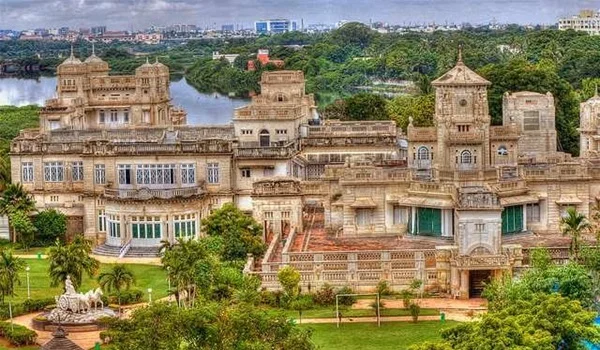
Chettinad Palace is located in the historic Chettinad region of Tamil Nadu, around Kanadukathan in Sivaganga district. Kanadukathan is close to Karaikudi, which serves as one of the main gateways for exploring the region.
The surrounding area is famous for its large traditional mansions, quiet streets, temples, antique shops, local crafts and distinctive Chettinad cuisine. Several heritage buildings are spread across Kanadukathan, Karaikudi, Athangudi, Pallathur and nearby villages.
For visitors interested in architecture, the palace is best experienced as part of a wider Chettinad heritage tour rather than as an isolated attraction.
History of Chettinad Palace
Chettinad Palace dates to the early 20th century and is associated with Rajah Sir Annamalai Chettiar, an important figure from the Chettiar business community. He was also associated with the establishment of Indian Bank and Annamalai University.
The palace was constructed in 1912 and reflects the prosperity achieved by Chettiar merchant families through extensive commercial activity, particularly across South and Southeast Asia.
The Chettiar community traditionally built large family residences in their native villages after establishing successful businesses overseas. These houses were not simply residences. They were also spaces for family gatherings, religious ceremonies, social functions and important community occasions.
Chettinad Palace is therefore valuable because it provides an architectural view of the economic and social history of this merchant community.
Architecture of Chettinad Palace
The architecture is the main reason Chettinad Palace attracts visitors.
Chettinad mansions are famous for combining traditional Tamil planning principles with influences and materials from different parts of India and overseas. This international character developed partly because Chettiar merchants travelled extensively for business.
The palace features spacious verandahs, decorative pillars, large halls, courtyards and elaborate interior details. Wood, marble, granite and other materials were used extensively.
Imported decorative products also became an important feature of wealthy Chettiar homes. European and East Asian influences can be seen in aspects of the interiors and furnishings.
Courtyards and Open Spaces
A central courtyard is an important element of the traditional Chettinad house plan. Such courtyards allowed natural light and ventilation to enter the building while also providing space for family gatherings and ceremonies.
Large halls connected to these open areas created a sense of scale that is characteristic of Chettinad architecture.
Woodwork
Decorative woodwork is another major feature of Chettinad mansions. Teak and other quality woods were used for doors, pillars, ceilings and furniture.
The craftsmanship reflects the importance given to detail in traditional Chettiar residences.
Decorative Materials
Chettinad architecture is known for its combination of locally produced and imported materials. Italian marble, ornamental tiles, decorative glass, metalwork and timber could be incorporated into large mansions.
This mixture of local craftsmanship and international materials is one of the defining characteristics of the region’s architectural heritage.
What Can You See at Chettinad Palace?
A visit to Chettinad Palace is primarily an architectural and cultural experience. Depending on the areas accessible to visitors, you can look for:
- Grand entrance areas
- Spacious courtyards
- Decorative pillars
- Traditional verandahs
- Elaborate wooden doors
- Antique furniture
- Decorative ceilings
- Historic household objects
- Traditional Chettinad design elements
- Large ceremonial and family halls
The palace and surrounding Chettinad mansions also provide an opportunity to understand how wealthy merchant families lived during an earlier period.
Chettinad Palace and the Chettiar Business Legacy
One of the most interesting aspects of Chettinad Palace is its connection with business history.
The Nattukottai Chettiar community developed a strong commercial presence across several parts of South and Southeast Asia. Their wealth from trade, finance and other commercial activities contributed to the construction of large homes in their native region.
These buildings can therefore be viewed as architectural records of an earlier business era.
The scale of Chettinad mansions demonstrates how commercial success influenced residential architecture. At the same time, the buildings supported local craftsmen, including carpenters, masons, tile makers, metalworkers and decorative artists.
Today, heritage tourism around Chettinad continues to create economic activity for local accommodation providers, restaurants, guides, transport operators, handicraft sellers and artisans.
Chettinad Architecture as a Tourism Attraction
Chettinad is more than one palace. The wider region contains numerous historic mansions, temples, traditional streets and craft traditions.
Visitors often combine a palace visit with stops at other heritage houses and villages. Athangudi, for example, is well known for its handmade tiles and heritage architecture.
The region’s cuisine is another major attraction. Traditional Chettinad food has become an important part of the area’s tourism identity.
For this reason, Chettinad Palace works particularly well as part of a cultural tourism itinerary covering architecture, food, crafts and local history.
Timings and Entry Fee
Information about access and visitor arrangements can vary between individual Chettinad properties because many historic mansions remain privately owned.
For Chettinad Palace, visitors should confirm the current visiting arrangements locally before planning a dedicated trip. Published information has historically listed daytime visiting hours, but access can change because of private functions, maintenance or family use.
Entry charges, where applicable, should also be confirmed before visiting rather than relying on older online information.
How to Reach Chettinad Palace
By Road
Kanadukathan and Karaikudi are connected by road with important towns in Tamil Nadu. Travellers can use buses, taxis or private vehicles to reach the Chettinad region.
By Train
Karaikudi is the most useful railway point for visitors exploring Chettinad. From Karaikudi, Kanadukathan and nearby heritage villages can be reached by road.
By Air
The nearest suitable airport depends on the travel route and available flights. Madurai Airport is commonly considered for reaching the wider Chettinad region, followed by road travel.
Best Time to Visit Chettinad Palace
The cooler months are generally more comfortable for exploring Chettinad’s large mansions and outdoor streets.
October to March is usually a convenient period for heritage tourism because daytime conditions are more suitable for walking around villages and visiting multiple attractions.
Visitors travelling during the hotter months should plan outdoor sightseeing during the morning or late afternoon and carry sufficient water.
Nearby Places to Explore
A Chettinad Palace visit can be combined with several attractions in and around the region.
Karaikudi
Karaikudi is one of the main urban centres of Chettinad and is known for heritage houses, markets, restaurants, antiques and traditional cuisine.
Athangudi
Athangudi is famous for its handmade tiles and impressive Chettinad mansions. It is an important stop for travellers interested in traditional crafts and architecture.
Kanadukathan Heritage Streets
The streets of Kanadukathan contain several large historic residences. Simply exploring the neighbourhood can provide a better understanding of Chettinad’s architectural character.
Chettinad Temples
Several historic temples are spread throughout the Chettinad region. They provide additional insight into the religious and cultural traditions of the community.
Chettinad Cuisine
Trying authentic Chettinad food is an important part of visiting the region. Restaurants and heritage properties offer dishes influenced by the area’s long culinary traditions.
Business and Heritage Tourism Opportunities
Chettinad’s heritage buildings have considerable tourism value because they connect architecture with the region’s commercial history.
Restoration and adaptive reuse can create opportunities for heritage hotels, cultural experiences, restaurants, guided tours, photography services, handicrafts and local transport.
However, every historic mansion has different ownership and conservation conditions. A visitor should not assume that a heritage building is available for commercial use simply because it is a tourist attraction.
For businesses, the broader Chettinad tourism ecosystem can support hospitality, food services, transportation, events and local handicraft activities.
Things to Know Before Visiting
- Chettinad Palace is a heritage mansion rather than a conventional royal palace.
- Visitor access can vary because some Chettinad properties are privately managed.
- Confirm current timings and entry arrangements before travelling.
- Wear comfortable footwear because heritage tours can involve walking.
- Respect private areas and restricted sections of historic buildings.
- Photography rules may vary depending on the property and occasion.
- Combine the palace with nearby heritage mansions and Athangudi for a fuller experience.
- Try local Chettinad cuisine during the visit.
FAQs
What is Chettinad Palace famous for?
Chettinad Palace is famous for its grand mansion architecture, courtyards, decorative woodwork, traditional Chettinad design and its connection with the prosperous Chettiar merchant community.
Where is Chettinad Palace located?
Chettinad Palace is located in the Kanadukathan area of Sivaganga district in Tamil Nadu, near Karaikudi.
When was Chettinad Palace built?
The palace is associated with construction in 1912 and is linked with Rajah Sir Annamalai Chettiar.
Is Chettinad Palace a royal palace?
It is better understood as a grand Chettiar family mansion rather than a palace of a ruling royal dynasty. The word “palace” reflects its extraordinary scale and architectural grandeur.
What is Chettinad architecture?
Chettinad architecture combines traditional Tamil planning and construction with decorative influences and materials from India, Europe and Southeast Asia. Large courtyards, verandahs, pillars, woodwork and ornamental interiors are common features.
What is the best time to visit Chettinad?
October to March is generally a comfortable period for exploring Chettinad because the weather is more suitable for heritage walks and outdoor sightseeing.
Final Thoughts
Chettinad Palace represents much more than an impressive historic building. It reflects the commercial success, cultural traditions and architectural ambitions of the Chettiar community during an important period of Tamil Nadu’s history. Its spacious courtyards, craftsmanship, decorative details and international influences make it an important part of the Chettinad heritage landscape. The palace is also connected to the wider story of merchant wealth, traditional construction and local artisan skills. For tourists, architects, history enthusiasts and students of business heritage, a visit to Chettinad offers an opportunity to understand how commerce, culture and architecture shaped one another. Along with nearby mansions, Athangudi, Karaikudi and local cuisine, Chettinad Palace forms an important part of Tamil Nadu’s heritage tourism circuit.