BrijRama Palace is one of the most distinctive heritage properties in Varanasi, standing directly above Darbhanga Ghat on the banks of the Ganga. The historic palace dates back to 1812 and has witnessed several phases of Varanasi’s architectural and cultural development. Originally associated with Shridhara Narayana Munshi of the Nagpur estate, the property later came under the Darbhanga royal family. Today, BrijRama Palace operates as a luxury heritage hotel, combining historic architecture, riverfront views, traditional interiors and modern hospitality. Its location also makes it an interesting example of how an old palace can be adapted for contemporary tourism.
Quick Information
| Information | Details |
| Property Name | BrijRama Palace |
| Location | Darbhanga Ghat, Varanasi, Uttar Pradesh |
| City | Varanasi |
| Year of Original Construction | 1812 |
| Historic Association | Darbhanga royal family |
| Current Use | Heritage luxury hotel |
| Rooms | 32 |
| Setting | Ganga riverfront |
| Architectural Character | Maratha and later Greco-Roman influences |
| Nearby Area | Dashashwamedh Ghat and Varanasi old city |
Where Is BrijRama Palace Located?
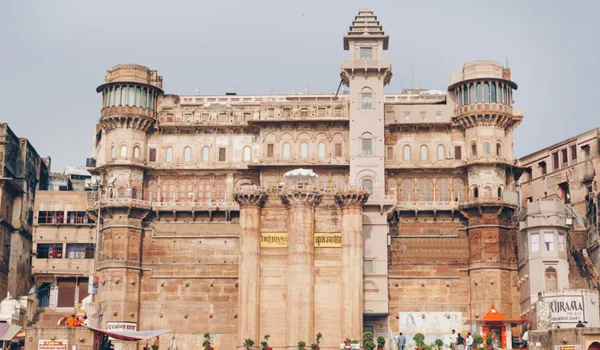
BrijRama Palace is situated at Darbhanga Ghat in the historic heart of Varanasi. The property rises directly from the Ganga riverfront and forms part of the remarkable architectural landscape of the city’s famous ghats.
Its location is one of its biggest attractions. Visitors staying at the property are surrounded by the traditional atmosphere of Varanasi, with boats on the river, temple activity, historic buildings and evening rituals forming part of the wider environment.
The palace is also close to important parts of the old city, making it convenient for visitors interested in exploring Varanasi’s religious, cultural and architectural heritage.
History of BrijRama Palace
The history of BrijRama Palace goes back to 1812, when Shridhara Narayana Munshi, associated with the Nagpur estate, commissioned the original structure. The adjacent ghat was initially known as Munshi Ghat.
In 1915, the palace was acquired by Maharaja Rameshwar Singh Bahadur of Darbhanga. The property subsequently became associated with the Darbhanga royal family, and the ghat came to be known as Darbhanga Ghat.
The palace developed further over time, with architectural additions reflecting the tastes and influences of its later occupants. Its history therefore cannot be understood as belonging to a single architectural period. Instead, the building represents several layers of Varanasi’s aristocratic and cultural past.
After years of decline, the structure underwent extensive restoration. The restored property was eventually converted into a heritage hotel, giving the historic building a new role within Varanasi’s tourism and hospitality economy.
Architecture of BrijRama Palace
Architecture is one of the strongest reasons BrijRama Palace stands out among Varanasi’s heritage properties.
The building is primarily associated with sandstone construction and displays a mixture of architectural influences. Maratha-inspired features can be seen in its pillars, bastion-like forms and decorative motifs, while later additions introduced Greco-Roman elements.
The palace also contains decorative balconies, arches, carved stone details and ornamental interiors. Its position above the Ganga gives the architecture an especially dramatic appearance when viewed from the river.
Inside, visitors can find traditional furniture, decorative ceilings, mirrorwork, fresco-style artwork and other heritage details. These features help maintain the character of the original building while allowing it to function as a modern hospitality property.
BrijRama Palace as a Heritage Hotel
Today, BrijRama Palace functions as a luxury heritage hotel rather than a public museum or government monument.
The property has 32 rooms spread across different categories. The rooms combine modern accommodation facilities with traditional design elements and are intended to provide a palace-style experience.
The riverfront setting is particularly important to the hotel experience. Several spaces provide views towards the Ganga and the surrounding ghats, allowing guests to experience Varanasi’s historic waterfront without leaving the property.
The hotel also provides dining and cultural experiences designed around the character of Varanasi.
Dining and Cultural Experiences
BrijRama Palace has developed its hospitality offering around local culture and the heritage environment.
Dining spaces within the property provide an opportunity to experience Indian and local flavours in a historic setting. Traditional hospitality, regional food and the visual atmosphere of the palace contribute to the overall experience.
The property has also been associated with activities such as heritage walks, boat rides, music performances and guided experiences around Varanasi.
One of the most memorable experiences connected with the palace is its relationship with the Ganga. A boat journey allows visitors to see the ghats and riverfront architecture from a different perspective.
What Can Visitors Experience?
BrijRama Palace is particularly suitable for travellers who want more than a conventional hotel stay.
Some of the experiences associated with the property and its surroundings include:
- Views of the Ganga and historic ghats
- Traditional boat rides
- Heritage walks through Varanasi
- Cultural and musical performances
- Local food experiences
- Visits to important temples and ghats
- Evening views of the Ganga Aarti area
- Exploration of Varanasi’s old-city lanes and markets
The experience changes throughout the day. Early mornings offer a quieter atmosphere along the river, while evenings bring the activity and illumination associated with Varanasi’s ghats.
Timings and Entry Information
BrijRama Palace is primarily a functioning heritage hotel, so it does not operate like a conventional public monument with a standard sightseeing timetable.
Hotel services, restaurants, guest areas and experiences can have their own schedules. Visitors planning a stay, dining experience or special visit should therefore check the applicable arrangements before travelling.
There is also no standard monument-style entry ticket simply for entering a historic building. Access to hotel facilities generally depends on the purpose of the visit and the arrangements made with the property.
How to Reach BrijRama Palace
The palace is located in the dense historic area of Varanasi, where narrow lanes and the riverfront ghats influence local transportation.
Road transport is useful for reaching the broader Darbhanga Ghat area, but vehicles may not be able to reach every part of the historic riverfront directly.
Boat access is one of the property’s distinctive features and can form an important part of the arrival experience.
Visitors arriving in Varanasi by railway, airport or road can continue towards the old city and then use the appropriate local transport or boat arrangements depending on their hotel booking and arrival plan.
Nearby Places to Visit
The location of BrijRama Palace makes it useful for exploring several important attractions of Varanasi.
Dashashwamedh Ghat
One of the city’s most famous ghats, Dashashwamedh Ghat is closely associated with the evening Ganga Aarti and attracts large numbers of visitors.
Shri Kashi Vishwanath Temple
The temple is among the most important religious landmarks of Varanasi and is located within the historic central area.
Manikarnika Ghat
Known for its deep religious significance and continuous cremation traditions, Manikarnika Ghat represents an important part of Varanasi’s spiritual landscape.
Varanasi Old City
The lanes around the ghats are filled with traditional shops, food outlets, religious establishments, handicraft businesses and historic buildings.
Ganga Riverfront
The river itself is one of the most important attractions around BrijRama Palace. Boat rides offer a different perspective of the city’s famous waterfront architecture.
Business Importance of BrijRama Palace
BrijRama Palace also demonstrates the economic potential of heritage tourism.
A historic property that has been successfully adapted into a hotel can generate activity across several connected sectors. These include hospitality, restaurants, transport, local guides, boat services, cultural performers, photographers, event planners and handicraft businesses.
The surrounding Varanasi economy also benefits from visitors who spend on Banarasi textiles, traditional food, religious tourism, transportation and local experiences.
From a business perspective, heritage properties can therefore act as more than accommodation facilities. They can become part of a wider tourism ecosystem.
Finance and Investment Perspective
Heritage properties require a different approach from ordinary commercial buildings.
Restoration can involve substantial expenditure because historic structures may require specialised conservation work, traditional materials, architectural expertise and regular maintenance.
For the hospitality industry, adaptive reuse can create value by converting an existing heritage structure into a premium tourism experience. However, the financial performance of any individual property depends on factors such as occupancy, room rates, operating costs, maintenance requirements, location and overall tourism demand.
Investors should not assume that every heritage property will automatically generate high returns. Restoration costs and long-term conservation responsibilities can be significant.
Insurance Considerations for Heritage Properties
Heritage hotels can have more complicated insurance requirements than ordinary modern hotels because their buildings may contain historic structures, decorative features, antique furniture and specialised architectural elements.
Depending on the property’s circumstances, relevant areas of insurance may include property damage, fire risks, public liability, business interruption, equipment and event-related risks.
For heritage structures, valuation and restoration considerations can also be important because replacing an old architectural feature may not be as straightforward as replacing a modern building component.
These are general considerations rather than statements about the specific insurance arrangements of BrijRama Palace.
Best Time to Experience BrijRama Palace
The most comfortable period for exploring Varanasi is generally during the cooler months, when walking around the old city and visiting the ghats is easier.
Winter mornings can be particularly atmospheric along the Ganga, while evenings provide opportunities to experience the illuminated ghats and cultural activity.
Summer can be considerably hotter, so visitors planning extensive walking or sightseeing should consider the weather and plan outdoor activities accordingly.
Things to Know Before Visiting
A few practical points can make a visit easier:
- The property is located in an old and busy part of Varanasi.
- Narrow lanes may make direct vehicle access difficult.
- Boat transfers can be an important part of reaching the riverfront property.
- Hotel facilities may be accessible according to booking or visitor arrangements.
- Religious sites nearby may have their own entry, dress and security requirements.
- The ghats can become crowded, particularly during major religious occasions.
- Comfortable footwear is useful for walking around the old city and ghats.
- Visitors should respect local religious customs and photography restrictions where applicable.
FAQs
Is BrijRama Palace a real historic palace?
Yes. The original structure dates to 1812 and has a documented connection with Shridhara Narayana Munshi and later the Darbhanga royal family.
Where is BrijRama Palace located?
It is located at Darbhanga Ghat on the banks of the Ganga in Varanasi, Uttar Pradesh.
Is BrijRama Palace a hotel?
Yes. The historic palace has been restored and operates as a luxury heritage hotel.
How many rooms does BrijRama Palace have?
The property has 32 rooms across different accommodation categories.
Can visitors enter BrijRama Palace without staying at the hotel?
Access depends on the purpose of the visit and the arrangements available at the property. It should not be treated like a regular public monument with unrestricted visitor access.
What is BrijRama Palace known for?
It is known for its historic architecture, Ganga riverfront location, connection with Darbhanga Ghat, heritage interiors and its transformation into a luxury hotel.
Final Thoughts
BrijRama Palace represents an important combination of history, architecture and modern hospitality in Varanasi. Built in 1812 and later associated with the Darbhanga royal family, the property reflects the changing architectural and cultural landscape of the city’s historic riverfront. Its sandstone structure, decorative interiors and location above Darbhanga Ghat give it a distinctive identity.
Its transformation into a heritage hotel also demonstrates how historic buildings can be adapted for contemporary tourism while retaining important elements of their original character. For travellers, the palace offers a memorable connection with the Ganga and Varanasi’s old-city atmosphere. From a wider business perspective, it shows how heritage hospitality can support tourism, local employment, cultural experiences and related businesses. BrijRama Palace therefore remains significant not only as an architectural landmark but also as part of Varanasi’s evolving heritage economy.