Tipu Sultan’s Summer Palace is one of the important historical attractions in Bengaluru, Karnataka. Located in the heart of the old city, the palace is associated with Tipu Sultan, the ruler of the Kingdom of Mysore, and provides an insight into the architecture and royal life of the 18th century.
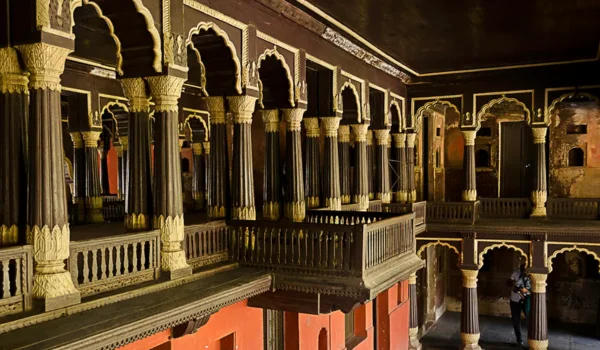
Built largely with wood, stone, mortar and plaster, the palace has a distinctive Indo-Islamic architectural character. Today, it is maintained as a protected heritage monument and attracts visitors interested in Bengaluru’s history, Tipu Sultan and traditional architecture.
For Corporate Palace, Tipu Sultan’s Summer Palace is also an interesting example of how a historic royal property can become part of a city’s heritage tourism economy.
Quick Information
| Information | Details |
| Palace Name | Tipu Sultan’s Summer Palace |
| Location | Bengaluru, Karnataka |
| Area | Near KR Market / Chamrajpet |
| Built | 18th century |
| Associated With | Tipu Sultan |
| Architectural Style | Indo-Islamic |
| Main Attraction | Wooden palace structure and historic interiors |
| Palace Material | Wood, stone, mortar and plaster |
| Type | Heritage Monument |
| Famous For | Tipu Sultan’s history and architecture |
| Recommended Time | 1–2 hours |
| Best Time to Visit | October to February |
Where Is Tipu Sultan’s Summer Palace Located?
Tipu Sultan’s Summer Palace is located in Bengaluru’s old city area, close to KR Market and Chamrajpet.
The palace is positioned within a historically important part of Bengaluru. Several older neighbourhoods and landmarks are located around the monument, making it possible for visitors to explore more than one heritage attraction during the same trip.
Its central location also means that the palace is surrounded by busy commercial areas, markets, residential neighbourhoods and transportation connections.
History of Tipu Sultan’s Summer Palace
Tipu Sultan’s Summer Palace dates back to the late 18th century and is associated with the reign of Tipu Sultan, who ruled the Kingdom of Mysore from 1782 until his death in 1799.
The palace was completed during Tipu Sultan’s period and served as a summer residence.
The structure is sometimes described as Daria Daulat-style architecture, although Tipu Sultan’s better-known Daria Daulat Bagh palace is located in Srirangapatna. Bengaluru’s palace is commonly known simply as Tipu Sultan’s Summer Palace.
After Tipu Sultan’s death in 1799, the property went through changes in ownership and use. Over time, it became an important historical monument representing Bengaluru’s connection with the Mysore Kingdom.
Tipu Sultan’s Summer Palace Architecture
The palace is known for its combination of Indian and Islamic architectural influences.
Some of its notable features include:
- Wooden pillars
- Large verandahs
- Decorative arches
- Carved wooden elements
- Open courtyards
- Plastered walls
- Traditional ornamental details
- Symmetrical planning
The extensive use of wood gives the palace a distinctive appearance compared with many stone-built royal buildings in India.
The structure also demonstrates how royal residential buildings could be designed to provide shade, ventilation and comfortable open spaces in a warm climate.
What Can You See at Tipu Sultan’s Summer Palace?
Visitors can explore several interesting features of the palace complex.
- Wooden Structure
The wooden construction is one of the most noticeable features of the palace. The pillars and other wooden elements demonstrate the craftsmanship used during the period.
- Courtyard
The palace includes open spaces that help visitors understand its traditional planning and residential character.
- Historic Exhibits
Visitors can find information and displays related to Tipu Sultan and the historical period associated with the palace.
- Architectural Details
The arches, pillars and decorative elements make the palace interesting for people studying historical architecture and heritage conservation.
Tipu Sultan’s Summer Palace Timings
The monument is generally open to visitors during daytime hours.
| Day | General Visiting Hours |
| Monday | 8:30 AM – 5:30 PM |
| Tuesday | 8:30 AM – 5:30 PM |
| Wednesday | 8:30 AM – 5:30 PM |
| Thursday | 8:30 AM – 5:30 PM |
| Friday | 8:30 AM – 5:30 PM |
| Saturday | 8:30 AM – 5:30 PM |
| Sunday | 8:30 AM – 5:30 PM |
Timings can change because of maintenance, government arrangements or special circumstances, so visitors should verify the latest schedule before travelling.
Tipu Sultan’s Summer Palace Entry Fee
Tipu Sultan’s Summer Palace generally has a low-cost entry ticket, making it an accessible historical attraction for visitors.
| Visitor Category | Entry Information |
| Indian Visitors | Low-cost entry |
| Foreign Visitors | Separate ticket may apply |
| Children | Concession/free entry may apply depending on age |
| Photography | Rules may apply |
Ticket prices can be revised, so checking the latest official information before visiting is recommended.
Why Is Tipu Sultan’s Summer Palace Important?
The palace is important for several reasons.
Historical Importance
It is connected with Tipu Sultan and the history of the Kingdom of Mysore.
Architectural Importance
Its wooden construction and Indo-Islamic design make it a distinctive example of 18th-century architecture.
Cultural Importance
The monument forms part of Bengaluru’s historic identity and helps preserve the city’s connection with the Mysore period.
Tourism Importance
The palace attracts history lovers, students, tourists and architecture enthusiasts.
Tipu Sultan’s Summer Palace and Business
From the Corporate Palace perspective, the palace also has an interesting connection with the local economy.
The monument attracts visitors to the surrounding area, creating indirect demand for various services.
These can include:
- Local restaurants
- Hotels
- Tour guides
- Transportation
- Travel agencies
- Photography
- Souvenir shops
- Local retail
- Heritage tour services
The palace’s location near established commercial areas makes this relationship between heritage tourism and local business particularly visible.
Heritage Tourism Around the Palace
Tipu Sultan’s Summer Palace can be included in a wider Bengaluru heritage itinerary.
Visitors interested in history can explore other historic locations in and around the city’s central areas. This creates opportunities for businesses to offer heritage walks, guided tours and educational trips.
Heritage tourism can also support local employment through:
- Tour guiding
- Transportation
- Hospitality
- Food services
- Local handicrafts
- Travel planning
Best Time to Visit Tipu Sultan’s Summer Palace
October to February is generally a comfortable period to explore Bengaluru’s outdoor attractions.
Visitors who want a quieter experience may prefer an earlier visit during the day. The palace itself does not require an entire day, so it can easily be combined with other attractions in central Bengaluru.
How to Reach Tipu Sultan’s Summer Palace
By Road
The palace is easily accessible by road from different parts of Bengaluru. Taxis, auto-rickshaws, buses and private vehicles can be used.
By Metro
The central Bengaluru area has metro connectivity, and visitors can use the city’s metro network followed by a short road journey depending on their starting point.
By Railway
KSR Bengaluru City Railway Station is one of the major railway stations serving the city and is accessible from the palace area by road.
By Air
Kempegowda International Airport is Bengaluru’s major airport. Visitors arriving by air need to continue by road to reach the palace.
Nearby Places
Some notable areas and attractions around Tipu Sultan’s Summer Palace include:
- KR Market
- Chamrajpet
- Lalbagh Botanical Garden
- Bengaluru Fort area
- Basavanagudi
- Chickpet
The surrounding central Bengaluru region is also known for traditional markets, shops, restaurants and commercial activity.
Tipu Sultan’s Summer Palace for Students and History Lovers
The palace can be particularly interesting for students because it provides a physical connection to an important period in South Indian history.
Visitors can learn about:
- Tipu Sultan
- Kingdom of Mysore
- 18th-century Bengaluru
- Indo-Islamic architecture
- Traditional wooden construction
- Heritage conservation
The palace therefore works as both a tourist attraction and an educational heritage site.
Things to Know Before Visiting
- Check the latest timings before visiting.
- Confirm the current ticket price.
- Follow photography restrictions.
- Avoid touching historic structures and exhibits.
- Keep the heritage premises clean.
- Allow at least 1–2 hours for a relaxed visit.
- Comfortable footwear is recommended.
FAQs
- Where is Tipu Sultan’s Summer Palace located?
Tipu Sultan’s Summer Palace is located in the old city area of Bengaluru, near KR Market and Chamrajpet.
- Who built Tipu Sultan’s Summer Palace?
The palace was built during the reign of Tipu Sultan in the 18th century and served as his summer residence.
- What is Tipu Sultan’s Summer Palace famous for?
It is famous for its wooden architecture, Indo-Islamic design and connection with Tipu Sultan and the Kingdom of Mysore.
- What are the timings of Tipu Sultan’s Summer Palace?
The palace is generally open from around 8:30 AM to 5:30 PM, although visitors should verify the latest timings before travelling.
- How much time is required to visit the palace?
Around 1–2 hours is usually sufficient to explore the main palace and its exhibits.
- Is Tipu Sultan’s Summer Palace worth visiting?
Yes. It is a good destination for visitors interested in history, architecture, Tipu Sultan and Bengaluru’s heritage.
Final Thoughts
Tipu Sultan’s Summer Palace is an important part of Bengaluru’s historical landscape. Its 18th-century heritage, wooden architecture and connection with Tipu Sultan make it different from the city’s modern attractions.
For Corporate Palace, the palace also demonstrates how historical properties can contribute to a modern city’s tourism ecosystem. Visitors coming to explore the monument support surrounding businesses such as transportation, food, hospitality, guiding and local retail.
This combination of royal history, heritage conservation, tourism and business activity makes Tipu Sultan’s Summer Palace a valuable addition to the Corporate Palace collection.