Aga Khan Palace is one of the most important historical landmarks in Pune, Maharashtra. Built in the late 19th century, the palace is closely connected with India’s freedom movement and is particularly remembered for its association with Mahatma Gandhi, Kasturba Gandhi, Mahadev Desai and other members of the freedom movement.
Today, the palace is both a heritage attraction and a place of historical importance. Its architecture, gardens, museum collections and connection with India’s independence movement make it an important destination for visitors. For Corporate Palace, Aga Khan Palace is also an interesting example of how a historic property can develop significance beyond its original purpose through tourism, heritage conservation and cultural activities.
Quick Information
| Information | Details |
| Palace Name | Aga Khan Palace |
| Location | Pune, Maharashtra |
| Area | Yerawada / Kalyani Nagar area |
| Built | 1892 |
| Built By | Sultan Muhammed Shah Aga Khan III |
| Main Significance | Indian freedom movement |
| Famous For | Gandhi memorial, museum, architecture and gardens |
| Visiting Hours | Generally 9:00 AM to 5:30 PM |
| Recommended Time | 1.5–3 hours |
| Best Time to Visit | October to February |
| Nearest Major Area | Kalyani Nagar |
| Type | Heritage Palace and Memorial |
Where Is Aga Khan Palace Located?
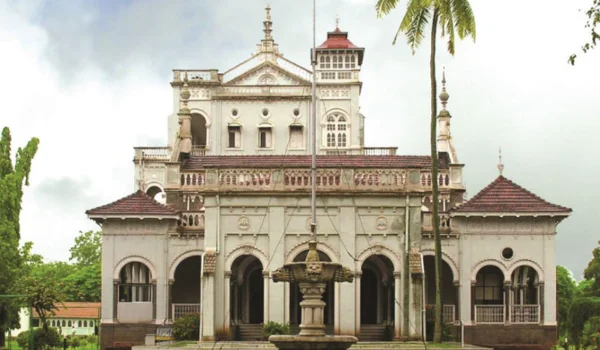
Aga Khan Palace is located on Pune–Nagar Road in the Yerawada area of Pune, Maharashtra. The palace is situated close to Kalyani Nagar and other important parts of eastern Pune.
Its location makes it relatively easy to reach from central Pune as well as from residential, commercial and business areas in the eastern part of the city.
The palace is surrounded by landscaped gardens and has a comparatively peaceful setting despite being within a busy metropolitan area.
History of Aga Khan Palace
Aga Khan Palace was built in 1892 by Sultan Muhammed Shah Aga Khan III.
The palace was constructed during a period when Pune and surrounding areas were affected by severe famine. The project is also associated with providing employment to local people during that difficult period.
However, the palace became particularly important decades later because of its connection with India’s independence movement.
During the Quit India Movement in 1942, the British authorities detained Mahatma Gandhi and several members of his close circle at Aga Khan Palace.
This period gave the palace a permanent place in Indian history.
Aga Khan Palace and Mahatma Gandhi
The strongest historical connection of Aga Khan Palace is with Mahatma Gandhi.
Gandhi, Kasturba Gandhi, Mahadev Desai and other associates were detained at the palace following the launch of the Quit India Movement.
Two important figures associated with Gandhi died while being detained at the palace:
- Mahadev Desai died in 1942.
- Kasturba Gandhi died in 1944.
Their memorials are located within the palace complex.
Because of this history, Aga Khan Palace is not simply an architectural attraction. It is also an important memorial connected with India’s freedom struggle.
Aga Khan Palace Architecture
The palace has a distinctive European-influenced architectural style combined with elements suited to the Indian setting.
Some notable features include:
- Large arches
- Spacious corridors
- High ceilings
- Symmetrical design
- Large windows
- Open verandahs
- Beautiful gardens
- Large surrounding grounds
The building occupies a large property and has an imposing appearance from the outside.
Its spacious design also reflects the scale and style of elite residential architecture of the late 19th century.
What Can You See at Aga Khan Palace?
A visit to Aga Khan Palace provides more than an opportunity to see the building itself.
- Gandhi Memorial
The memorial area is one of the most important parts of the complex. It commemorates the people associated with Gandhi who spent their final years at the palace during detention.
- Kasturba Gandhi Memorial
The memorial dedicated to Kasturba Gandhi is an important part of the site and attracts visitors interested in India’s independence history.
- Museum
The palace contains exhibits, photographs and objects connected with Mahatma Gandhi and the Indian freedom movement.
- Palace Building
Visitors can explore different parts of the historic building and observe its architecture, spacious rooms and heritage character.
- Gardens
The palace grounds include large landscaped areas that add to the overall experience of visiting the property.
Aga Khan Palace Timings
The palace is generally open to visitors during daytime hours.
| Day | General Visiting Hours |
| Monday | 9:00 AM – 5:30 PM |
| Tuesday | 9:00 AM – 5:30 PM |
| Wednesday | 9:00 AM – 5:30 PM |
| Thursday | 9:00 AM – 5:30 PM |
| Friday | 9:00 AM – 5:30 PM |
| Saturday | 9:00 AM – 5:30 PM |
| Sunday | 9:00 AM – 5:30 PM |
Visitors should verify the latest timings before travelling because heritage sites can sometimes change access hours due to maintenance, special programmes or local arrangements.
Aga Khan Palace Entry Fee
The entry fee can vary depending on visitor category and updated ticket rules.
A general ticket structure has traditionally included separate rates for Indian and foreign visitors, while children may have different charges.
| Visitor Category | Approximate Information |
| Indian Adults | Paid entry |
| Foreign Visitors | Higher ticket category may apply |
| Children | Reduced/free entry may apply depending on age |
| Photography | Check current rules |
Because ticket prices can be revised, it is better to confirm the current fee before visiting rather than relying on an old online listing.
Why Is Aga Khan Palace Important?
Aga Khan Palace is important for several reasons.
Historical Importance
Its association with Mahatma Gandhi and the Quit India Movement makes it an important site in India’s modern history.
Architectural Importance
The palace is a notable example of large-scale historic architecture in Pune.
Cultural Importance
The memorials, museum and preserved heritage environment help visitors understand India’s freedom struggle.
Tourism Importance
The palace attracts domestic and international visitors and contributes to Pune’s heritage tourism network.
Aga Khan Palace and Business Opportunities
From the Corporate Palace perspective, Aga Khan Palace provides an interesting example of how heritage properties can influence surrounding economic activity.
The palace itself is primarily a heritage and memorial destination, but visitor activity creates demand for several supporting businesses.
These can include:
- Hotels and accommodation
- Restaurants and cafés
- Local transportation
- Tour operators
- Travel agencies
- Photography services
- Souvenir businesses
- Heritage tour services
- Event-related services
- Local retail
The surrounding Kalyani Nagar and eastern Pune areas also have offices, hotels, restaurants and commercial establishments, creating a strong connection between heritage tourism and the wider urban economy.
Heritage Tourism Around Aga Khan Palace
Heritage tourism is an important part of Pune’s tourism identity.
Aga Khan Palace can be combined with other historical attractions in Pune to create a broader heritage itinerary. Visitors interested in India’s history can explore locations connected with the Maratha period, colonial-era Pune and the freedom movement.
This gives local businesses opportunities to develop:
- Heritage walking tours
- Guided tours
- Educational tours
- History-focused travel packages
- Local transportation services
- Hospitality packages
Best Time to Visit Aga Khan Palace
October to February is generally a comfortable period for visiting Pune because the weather is comparatively pleasant.
Early morning or late afternoon can also be suitable for visitors who want to explore the palace grounds without spending too much time outdoors during the warmer part of the day.
How to Reach Aga Khan Palace
By Road
The palace is located on Pune–Nagar Road and can be reached by taxi, cab, private vehicle and local transport.
By Railway
Pune Junction is the city’s main railway station. Visitors can continue from the station by road to reach the palace.
By Air
Pune Airport is relatively close to Aga Khan Palace compared with many other major attractions in the city. Taxis and other road transportation options are available from the airport.
Nearby Places to Aga Khan Palace
Some important areas and attractions around Aga Khan Palace include:
- Kalyani Nagar
- Yerawada
- Koregaon Park
- Viman Nagar
- Pune Airport
- Bund Garden
- Osho Garden area
The eastern part of Pune also has numerous hotels, restaurants, shopping areas and business establishments.
Aga Khan Palace for Students and History Lovers
Aga Khan Palace is especially relevant for students and people interested in Indian history.
The site provides an opportunity to learn about:
- Mahatma Gandhi
- Kasturba Gandhi
- Quit India Movement
- Indian independence movement
- British-era India
- India’s heritage conservation
The combination of a preserved historic building and museum collections makes the visit educational as well as cultural.
Things to Know Before Visiting
Visitors should keep a few simple points in mind:
- Check the latest opening hours before travelling.
- Confirm the current entry fee.
- Maintain silence and respect inside memorial areas.
- Follow photography rules.
- Keep sufficient time for the museum and palace grounds.
- Avoid touching protected heritage objects.
- Wear comfortable footwear because the complex involves walking.
FAQs
- Where is Aga Khan Palace located?
Aga Khan Palace is located on Pune–Nagar Road in Pune, Maharashtra, near the Yerawada and Kalyani Nagar areas.
- Why is Aga Khan Palace famous?
It is famous for its architecture and, more importantly, its association with Mahatma Gandhi and India’s freedom movement.
- When was Aga Khan Palace built?
Aga Khan Palace was built in 1892 by Sultan Muhammed Shah Aga Khan III.
- Is Aga Khan Palace related to Mahatma Gandhi?
Yes. Mahatma Gandhi, Kasturba Gandhi and other members of the freedom movement were detained at the palace during the Quit India Movement.
- How much time is required to visit Aga Khan Palace?
Around 1.5 to 3 hours is generally enough to explore the main building, museum, memorials and gardens at a comfortable pace.
- Is Aga Khan Palace worth visiting?
Yes. It is particularly worthwhile for people interested in Indian history, Gandhi, architecture, heritage and cultural tourism.
Final Thoughts
Aga Khan Palace is one of Pune’s most significant heritage landmarks. Its importance comes not only from its architecture but also from its deep connection with Mahatma Gandhi, Kasturba Gandhi and India’s freedom movement.
For Corporate Palace, it represents another important side of palace heritage: a historic property can become a centre for heritage tourism, education, cultural preservation and surrounding business activity. Its location within a growing urban area further shows how historic landmarks can remain relevant in a modern city.