Dragon Palace, also known as Dragon Palace Temple, is a prominent Buddhist temple and spiritual centre located in Kamptee near Nagpur, Maharashtra. It is popularly associated with the name Lotus Temple of Nagpur and is known for its peaceful surroundings, distinctive architecture, meditation facilities and connection with Japanese Buddhist traditions.
Unlike historic royal residences, Dragon Palace is a modern Buddhist temple, established in 1999. Its importance comes from its religious, cultural and tourism value rather than royal heritage. The temple has developed into a notable destination for Buddhist followers, tourists, students and visitors interested in architecture, meditation and India-Japan cultural relations.
Quick Information
| Information | Details |
| Name | Dragon Palace Temple |
| Also Known As | Dragon Palace, Lotus Temple of Nagpur |
| Location | Dadasaheb Kumbhare Parisar, New Kamptee |
| City | Kamptee |
| District | Nagpur |
| State | Maharashtra |
| Established | 1999 |
| Property Type | Buddhist Temple and Spiritual Centre |
| Religious Tradition | Buddhism |
| Main Significance | Meditation, Buddhist spirituality and cultural exchange |
| Architectural Influence | Buddhist and Japanese-inspired design |
| Timings | 10:00 AM to 7:00 PM |
| Entry Fee | Free |
| Best Time to Visit | November to February |
Where Is Dragon Palace Located?
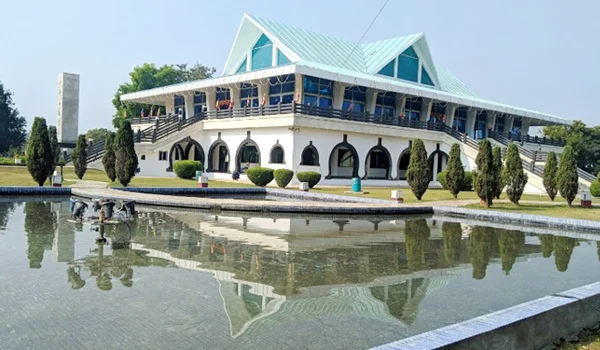
Dragon Palace Temple is located in New Kamptee, in Nagpur district of Maharashtra. Kamptee is situated close to Nagpur and is connected to the city by road and rail networks.
The temple is located in the Dadasaheb Kumbhare Parisar area. Its position makes it accessible for visitors travelling from Nagpur as well as tourists coming from other parts of Maharashtra.
The surrounding area has residential, commercial and community establishments, while the temple campus itself provides a relatively peaceful environment away from the busier parts of Nagpur.
History of Dragon Palace
Dragon Palace Temple was established in 1999. Its development is associated with the Mother Noriko Ogawa Society of Japan and local supporters.
The temple was established as a centre for Buddhism, meditation, spiritual learning and cultural exchange. Its connection with Japan is one of the most distinctive aspects of its identity.
The establishment of Dragon Palace also reflects the broader relationship between India and Japan through Buddhism. Buddhism originated in India and later spread to several parts of Asia, including Japan. Dragon Palace uses this historical connection as part of its cultural identity.
It is important to note that Dragon Palace was not constructed as a royal palace. The name “Palace” refers to the property’s identity rather than royal ownership.
Dragon Palace and India-Japan Friendship
One of the most interesting aspects of Dragon Palace is its association with Indo-Japanese friendship.
The temple’s development involved Japanese Buddhist connections and reflects the shared cultural importance of Buddhism between the two countries.
For visitors, this makes Dragon Palace more than simply a religious building. It also represents cultural exchange and the continuation of Buddhist connections between India and Japan.
The temple has therefore attracted visitors interested in spirituality, Buddhist philosophy, Japanese culture and international cultural relationships.
Dragon Palace Architecture
Dragon Palace is known for its distinctive modern Buddhist architecture.
The building and surrounding landscape create a calm environment suitable for meditation and spiritual activities. Japanese influences can be noticed in aspects of the temple’s design and overall atmosphere.
Important features include:
- Buddhist architectural elements
- Spacious temple surroundings
- Landscaped gardens
- Meditation areas
- Buddha images
- Peaceful courtyards and open spaces
- Contemporary design
- Japanese cultural influences
The combination of architecture and landscaped surroundings is one of the reasons Dragon Palace has become a tourism attraction in the Nagpur region.
Buddha Image and Meditation Environment
One of the notable attractions inside Dragon Palace is its Buddha image, which is associated with sandalwood craftsmanship.
The temple is designed primarily as a place for spiritual practice rather than simply as a tourist attraction.
Visitors may find areas intended for:
- Meditation
- Prayer
- Buddhist learning
- Spiritual reflection
- Religious gatherings
- Community activities
The atmosphere is generally quiet and peaceful. Visitors should maintain appropriate behaviour inside the temple and follow any instructions given by temple authorities.
Dragon Palace as a Buddhist Centre
Dragon Palace performs several functions as a religious and cultural institution.
It serves as a place for:
- Meditation
- Buddhist teachings
- Prayer
- Spiritual activities
- Community gatherings
- Cultural programmes
- Religious events
Its role as a meditation centre is particularly important. Visitors interested in mindfulness and Buddhist practices may find the peaceful surroundings suitable for reflection.
The temple’s religious activities also contribute to its importance beyond conventional tourism.
Dragon Palace Timings
The generally listed visiting hours are:
| Day | Timings |
| Monday | 10:00 AM – 7:00 PM |
| Tuesday | 10:00 AM – 7:00 PM |
| Wednesday | 10:00 AM – 7:00 PM |
| Thursday | 10:00 AM – 7:00 PM |
| Friday | 10:00 AM – 7:00 PM |
| Saturday | 10:00 AM – 7:00 PM |
| Sunday | 10:00 AM – 7:00 PM |
Special religious programmes and events may follow different schedules. Visitors travelling for a particular ceremony or programme should confirm the schedule before visiting.
Dragon Palace Entry Fee
Dragon Palace Temple is generally open to visitors without an entry fee.
| Visitor Category | Entry Fee |
| Adults | Free |
| Children | Free |
| Foreign Visitors | Free |
| General Temple Visit | Free |
Visitors may make voluntary donations if donation facilities are available, but such contributions should not be confused with an admission fee.
How to Reach Dragon Palace
By Road
Dragon Palace can be reached by road from Nagpur and other nearby parts of Maharashtra.
Visitors travelling from Nagpur can use private vehicles, taxis and local transport services to reach Kamptee.
Road travel is convenient for visitors who want to combine the temple visit with other attractions around Nagpur and Kamptee.
By Train
Kamptee has railway connectivity, making the area accessible by train.
Visitors arriving by rail can use local transport or taxis to continue towards the temple.
By Air
The nearest major airport is Dr. Babasaheb Ambedkar International Airport in Nagpur.
Visitors arriving by air need to continue their journey to Kamptee by road.
Travel time can vary depending on traffic, weather and the starting point.
Best Time to Visit Dragon Palace
The winter period from November to February is generally comfortable for visiting Dragon Palace and exploring the surrounding Nagpur region.
Winter
Cooler weather makes outdoor sightseeing more comfortable. This is a good period for visitors who want to spend time in the temple’s gardens and explore nearby attractions.
Summer
Nagpur and surrounding areas can become very hot during summer. Visitors planning a daytime visit should consider the heat.
Monsoon
The monsoon can bring greenery to the surroundings, although rainfall may affect road travel and outdoor sightseeing.
For visitors interested in meditation or religious programmes, the schedule of activities may be more important than the season.
Tourism Importance of Dragon Palace
Dragon Palace has become an important tourism destination around Nagpur and Kamptee.
Its popularity comes from several factors:
Buddhist Tourism
The temple attracts Buddhist followers and people interested in Buddhist philosophy and meditation.
Cultural Tourism
Its connection with Japan provides an additional cultural dimension.
Architectural Tourism
The temple’s distinctive design and gardens attract visitors interested in religious architecture.
Spiritual Tourism
The peaceful environment makes the temple suitable for people seeking meditation and spiritual reflection.
Educational Tourism
Students and groups can learn about Buddhism, cultural exchange and the historical spread of Buddhist traditions.
Business and Local Economic Importance
Dragon Palace is primarily a religious and cultural institution, but its visitor activity can have an indirect impact on the local economy.
Visitors travelling to the temple may create demand for:
- Hotels
- Restaurants
- Cafés
- Taxi services
- Local transport
- Tour operators
- Travel agencies
- Local shops
- Guides
- Small food businesses
These are indirect economic opportunities and should not be interpreted as businesses directly operated by Dragon Palace.
The temple therefore forms part of the wider tourism ecosystem of Kamptee and Nagpur.
Dragon Palace and Hospitality
Visitors coming from outside Nagpur may require accommodation, particularly when attending religious programmes or spending several days exploring the region.
This creates an indirect relationship between Dragon Palace and the local hospitality industry.
Hotels and guest accommodation providers can benefit from tourist movement, while restaurants, transport providers and other service businesses may also receive additional customers.
This illustrates how a religious attraction can contribute to a destination’s tourism economy even when it is not itself operated as a commercial business.
Finance and Investment Perspective
Dragon Palace should not be treated as a conventional commercial palace or hotel investment.
There is no reliable basis for presenting the temple as an investment opportunity or assigning specific revenue, profitability or property-value figures to it.
Its economic importance is better understood through:
- Religious tourism
- Cultural tourism
- Local hospitality
- Transportation
- Food services
- Retail activity
- Employment
- Community events
For businesses operating around Kamptee and Nagpur, increasing visitor activity can create indirect commercial opportunities.
Insurance and Risk Considerations
Religious and visitor-oriented properties can face several general risks, including:
- Fire
- Property damage
- Visitor accidents
- Weather-related damage
- Equipment damage
- Crowd-management risks
- Event-related liabilities
Depending on the organisation’s needs, insurance considerations for such properties may include property insurance, fire protection and public liability coverage.
These are general considerations for religious and visitor facilities and should not be interpreted as confirmation of any specific insurance policy at Dragon Palace.
Nearby Places
Visitors can combine Dragon Palace with other attractions around Kamptee and Nagpur.
Potential places of interest include:
- Kamptee’s historic areas
- Nagpur city attractions
- Sitabuldi Fort
- Ramtek
- Khindsi Lake
- Nagardhan
- Other religious and Buddhist sites around Nagpur
The distance and travel time to these places can vary, so visitors should plan their itinerary according to their available time.
Things to Know Before Visiting
Before visiting Dragon Palace, keep these points in mind:
- Dragon Palace is a Buddhist temple, not a historic royal palace.
- Entry is generally free.
- Regular visiting hours are approximately 10:00 AM to 7:00 PM.
- Maintain silence and respectful behaviour inside religious areas.
- Dress appropriately for a religious site.
- Follow photography rules displayed within the premises.
- Check special programme timings if attending a religious event.
- Keep sufficient time for meditation and exploring the surroundings.
FAQs
Where is Dragon Palace located?
Dragon Palace Temple is located in Dadasaheb Kumbhare Parisar, New Kamptee, in Nagpur district of Maharashtra.
Is Dragon Palace a real royal palace?
No. Dragon Palace is a modern Buddhist temple and spiritual centre. The word “Palace” is part of its name and does not indicate royal ownership.
When was Dragon Palace established?
Dragon Palace Temple was established in 1999 and is associated with Buddhist and cultural connections between India and Japan.
What are the Dragon Palace timings?
The generally listed visiting hours are 10:00 AM to 7:00 PM every day. Special programmes may have different schedules.
Is there an entry fee for Dragon Palace?
No. General entry to Dragon Palace Temple is free.
Why is Dragon Palace famous?
Dragon Palace is known for its Buddhist significance, distinctive architecture, peaceful gardens, meditation environment and association with Indo-Japanese cultural relations.
Final Thoughts
Dragon Palace in Kamptee is a distinctive Buddhist destination that combines spirituality, architecture, meditation and cultural exchange. Although its name includes the word “Palace”, it is not a historic royal residence. Its identity is instead connected with Buddhism and the cultural relationship between India and Japan. The temple’s peaceful environment, gardens and architectural character have made it an important destination near Nagpur. Its tourism significance also extends into the wider local economy through accommodation, transportation, restaurants, retail and other visitor-related services. For Corporate Palace, Dragon Palace offers an interesting example of how the palace identity can exist outside traditional royal architecture, connecting modern religious institutions with tourism, cultural heritage and the local business ecosystem.