Chail Palace is a historic heritage property in Chail, Himachal Pradesh, closely associated with the former Maharaja of Patiala. Set on a forested ridge surrounded by deodar trees and mountain scenery, the palace was developed as a summer residence and later converted into a heritage hotel. Himachal Tourism describes Chail Palace as having a regal setting, attractive lawns, European-style architecture and aesthetic interiors. Today, the property is maintained and operated by Himachal Tourism, giving visitors an opportunity to experience a former royal residence as a hospitality property. Its combination of history, architecture, gardens and hill-station surroundings makes Chail Palace an important part of Himachal Pradesh’s heritage tourism landscape.
Quick Information
| Information | Details |
| Palace Name | Chail Palace / Palace Hotel Chail |
| Location | Chail, Solan district, Himachal Pradesh |
| Associated With | Former Maharaja of Patiala |
| Property Type | Historic palace and heritage hotel |
| Original Purpose | Summer residence |
| Architectural Character | European-influenced heritage architecture |
| Present Use | Heritage hotel |
| Operator | Himachal Tourism |
| Setting | Forested ridge with mountain views |
| Famous For | Royal heritage, lawns, architecture and peaceful hill setting |
| Nearby Attraction | Chail Cricket Ground |
| Best For | Heritage stays, families, couples and hill tourism |
Himachal Tourism specifically identifies Palace Hotel Chail as the former summer residence of the Patiala royal family and states that it has been converted into a heritage hotel operated by Himachal Tourism.
Where Is Chail Palace Located?
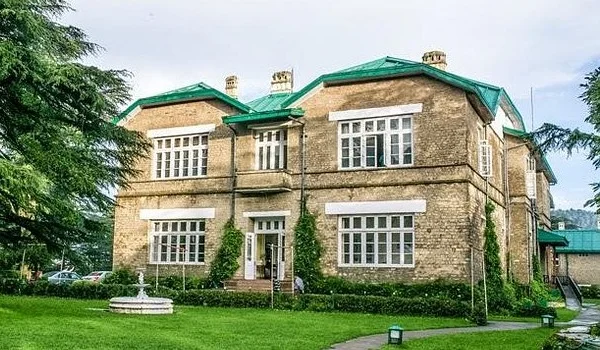
Chail Palace is located in Chail in Solan district of Himachal Pradesh. Chail is a quiet hill station developed by the former Maharaja of Patiala as a summer retreat. Himachal Tourism describes the town as being set among forests and highlights its views, relaxed atmosphere and heritage character.
The palace itself stands on a ridge surrounded by forest and landscaped grounds. This elevated location is an important part of its character, as visitors experience both the historic property and the natural landscape of the surrounding hills.
Chail is approximately 45 km from Solan, according to Himachal Tourism. The town can also be approached as part of a wider Shimla–Solan–Chail travel itinerary.
History of Chail Palace
The history of Chail Palace is closely connected with the Maharaja of Patiala.
Chail was developed as a summer retreat by the former Maharaja of Patiala. The palace subsequently became the royal family’s summer residence. This royal association gives the property its distinctive historical identity and separates it from modern palace-themed hotels.
Himachal Tourism describes the palace as being located on a ridge with spectacular views, plush lawns and attractive interiors. The property is now preserved and used as a heritage hotel, allowing the historic building to remain part of the region’s tourism economy.
The transformation from royal summer residence to heritage hotel is particularly significant. Instead of functioning solely as a preserved monument, the property has been adapted for hospitality while retaining its historic atmosphere.
Chail Palace Architecture
Chail Palace has a distinctly European architectural character. Himachal Tourism lists the palace among the important architectural heritage properties of Himachal Pradesh and specifically describes it as bearing European architecture.
Its design works particularly well with the surrounding mountain environment.
Important visual elements include:
- Heritage-style exterior architecture
- Large landscaped lawns
- Traditional interiors
- Decorative furnishings
- Wood and hill-station design elements
- Forest surroundings
- Panoramic views
- Royal-era ambience
The architecture should be viewed together with the palace’s natural setting. The surrounding deodar forests and mountain landscape are an important part of the experience.
Royal Interiors and Decorative Art
One of the attractions of Chail Palace is its interior atmosphere.
Himachal Tourism’s Solan destination information notes that the palace interiors contain paintings associated with the Kangra miniature tradition, depicting subjects connected with mythology, religion, history and everyday rural life. The tourism department also notes that some older murals remain well preserved on walls and ceilings.
These artistic elements add an important cultural dimension to the property. Visitors are therefore not only experiencing a hotel in the hills but also encountering decorative traditions associated with the region’s historical environment.
Chail Palace as a Heritage Hotel
Chail Palace’s most important modern transformation is its conversion into a heritage hotel.
Himachal Tourism states that the former summer residence has been converted into a heritage hotel and is operated by Himachal Tourism.
This makes Chail Palace an example of adaptive reuse, where a historic royal property continues to have an active purpose rather than being preserved only as a static monument.
The heritage-hotel model can help connect:
- Conservation
- Tourism
- Accommodation
- Local employment
- Hospitality
- Cultural experiences
- Regional economic activity
At the same time, historic properties require careful maintenance because their architectural character and decorative features need protection alongside normal hotel operations.
Rooms and Accommodation
As a heritage hotel, Chail Palace offers accommodation within a historic setting.
The experience is different from staying in a conventional modern city hotel. The appeal comes from the combination of royal-era architecture, landscaped surroundings, mountain climate and the atmosphere of a former summer residence.
Room availability, categories, tariffs and inclusions can change. Travellers should therefore verify the latest accommodation information and booking conditions directly through Himachal Tourism before making a reservation.
Gardens and Outdoor Spaces
The palace is known for its plush lawns and landscaped surroundings. Himachal Tourism highlights the lawns as one of the defining characteristics of the property.
The outdoor spaces are particularly attractive because they contrast with the formal character of the palace building.
The combination of:
- Green lawns
- Deodar forests
- Mountain air
- Open viewpoints
- Heritage architecture
creates the setting for a peaceful hill-station stay.
The gardens also add value to the property as a destination for leisure and hospitality rather than simply as an architectural attraction.
Chail Palace and Chail Tourism
Chail itself is an important part of the palace experience.
Himachal Tourism describes Chail as a hill station developed as a summer retreat by the Maharaja of Patiala. The town retains an older, quieter character and offers views towards the surrounding mountains.
One of its most famous attractions is the Chail Cricket Ground, recognised for its unusually high elevation. The surrounding Chail Sanctuary also provides opportunities for nature and wildlife experiences.
Visitors staying at the palace can therefore combine heritage tourism with nature tourism.
Chail Palace Timings
Chail Palace operates primarily as a heritage hotel, so its functioning is different from a museum or archaeological monument with fixed public visiting hours.
Guests staying at the property can use the hotel according to their reservation and hotel policies. For visitors who want to enter the property without staying overnight, access may depend on current hotel rules.
Because hotel policies and visitor access can change, it is advisable to confirm the latest arrangements with Himachal Tourism before planning a visit specifically for sightseeing.
| Day | Visitor Information |
| Monday | Confirm current hotel/visitor access |
| Tuesday | Confirm current hotel/visitor access |
| Wednesday | Confirm current hotel/visitor access |
| Thursday | Confirm current hotel/visitor access |
| Friday | Confirm current hotel/visitor access |
| Saturday | Confirm current hotel/visitor access |
| Sunday | Confirm current hotel/visitor access |
Entry Fee
Chail Palace does not function primarily as a ticketed public museum. It is a heritage hotel.
Therefore, visitors should not assume that a standard monument-style entry fee applies. Accommodation charges, dining arrangements or access to particular facilities may have separate terms.
Current room tariffs and visitor-access policies should be checked before travelling because prices and policies can change.
How to Reach Chail Palace
By Road
Road travel is the main way to reach Chail. Himachal Tourism identifies Chail as a hill destination accessible from Solan and the wider Shimla region. Solan is approximately 45 km from Chail.
The final journey involves hill roads, so travellers should allow additional time compared with distances measured on a map.
By Train
The nearest major rail connectivity is through the Kalka–Shimla railway region. Travellers can combine rail travel with road transport to reach Chail.
Himachal Pradesh Tourism notes that Kalka is among the state’s important broad-gauge rail access points, while road networks connect hill destinations beyond the railhead.
By Air
Travellers can use nearby airports serving the wider Himachal and Chandigarh region and continue by road. The most practical airport choice depends on the traveler’s starting point, flight availability and road conditions.
Nearby Places to Visit
Chail Cricket Ground
The Chail Cricket Ground is one of the most famous attractions in the hill station. Its high-altitude location makes it a distinctive feature of Chail tourism.
Chail Sanctuary
Chail Sanctuary surrounds the hill station and is known for its forest environment and wildlife. Animals and birds reported in the area include sambar, goral, barking deer and cheer pheasants.
Solan
Solan is an important nearby town and can serve as a gateway to Chail. It offers additional accommodation, shopping and transport options.
Shimla
Shimla is one of Himachal Pradesh’s most established hill destinations and can be incorporated into a longer itinerary covering Chail and surrounding areas.
Chail Palace and the Local Tourism Economy
A heritage hotel such as Chail Palace has an economic relationship with the wider tourism ecosystem.
Visitors staying in Chail can generate demand for:
- Local taxis
- Restaurants
- Tour operators
- Guides
- Shops
- Handicrafts
- Outdoor activity providers
- Hospitality workers
- Local food suppliers
These represent indirect economic opportunities associated with tourism rather than services necessarily operated by Chail Palace itself.
The heritage-hotel model also provides a way for an old royal property to remain economically active while retaining its cultural identity.
Finance and Investment Perspective
Chail Palace is particularly interesting from an adaptive-reuse perspective.
Converting a historic royal residence into a heritage hotel can create an operating model in which accommodation revenue supports ongoing hospitality operations while tourism keeps the property in active use.
However, actual investment returns, property valuation, operating revenue or profitability should not be assumed without verified financial information.
For the wider heritage-hospitality sector, important considerations generally include:
- Visitor demand
- Seasonal occupancy
- Restoration costs
- Maintenance
- Staffing
- Tourism infrastructure
- Accessibility
- Environmental management
- Competition from other hotels
Insurance Considerations for Heritage Properties
Historic hotel properties have particular operational risks because they combine an old building with modern commercial activity.
General insurance considerations may include:
- Fire protection
- Building insurance
- Public liability
- Equipment damage
- Business interruption
- Natural-disaster risks
- Restoration-related risks
- Guest and employee safety
These are general industry considerations. No specific insurance policy should be attributed to Chail Palace without verified information.
Best Time to Visit
Chail is a year-round hill destination, but the best period depends on the experience a traveller wants.
Spring and summer can be pleasant for enjoying the greenery and outdoor surroundings.
Monsoon brings lush landscapes but can also bring rain and difficult hill-road conditions.
Autumn and winter provide a cooler mountain experience, while winter visitors should be prepared for cold weather and possible changes in road conditions.
The Himachal Tourism Department has increasingly promoted the state as a destination for different seasons rather than only a traditional summer destination.
Things to Know Before Booking
- Confirm the latest room availability and tariff.
- Check whether the property accepts non-resident visitors for sightseeing.
- Ask about check-in and check-out times.
- Consider road conditions when travelling during monsoon or winter.
- Carry warm clothing during colder months.
- Confirm cancellation and payment conditions.
- Allow enough time for hill-road travel.
- Respect the historic character of the building and follow hotel instructions regarding photography and restricted areas.
FAQs
Where is Chail Palace located?
Chail Palace is located in Chail, Solan district, Himachal Pradesh, on a forested ridge surrounded by the hill landscape of the region.
Who built Chail Palace?
The palace is associated with the former Maharaja of Patiala, who developed Chail as a summer retreat and used the palace as a summer residence.
Is Chail Palace a heritage hotel?
Yes. Himachal Tourism identifies Palace Hotel Chail as a former royal summer residence that has been converted into a heritage hotel operated by Himachal Tourism.
What is Chail Palace famous for?
It is known for its royal association, European-influenced architecture, landscaped lawns, forest setting, mountain views and heritage interiors.
What can visitors see near Chail Palace?
Major attractions include Chail Cricket Ground, Chail Sanctuary and the wider hill landscapes around Chail. Solan and Shimla can also be incorporated into a longer trip.
Can I stay at Chail Palace?
Yes. The property operates as a heritage hotel under Himachal Tourism. Current room availability, tariffs and booking conditions should be confirmed before travel.
Final Thoughts
Chail Palace is a distinctive example of how a former royal summer residence can continue to serve a modern purpose while retaining its heritage identity. Associated with the former Maharaja of Patiala, the palace forms an important part of Chail’s history and remains one of the notable architectural properties highlighted by Himachal Tourism. Its European-influenced design, landscaped lawns, forest setting and historic interiors create a very different experience from a conventional hotel. The property’s conversion into a heritage hotel also demonstrates the role that adaptive reuse can play in keeping historic buildings economically active. Combined with Chail’s cricket ground, sanctuary and peaceful mountain environment, the palace gives the hill station an important heritage-tourism dimension. For travellers interested in royal history, architecture and Himalayan hospitality, Chail Palace remains a notable destination in Himachal Pradesh.